Hokonui Rūnanga Register
  • About us
    • Who we are
    • Murihiku Regeneration
    • Property assets
    • Find us
    • Job vacancies
  • Our history
    • Our whakapapa - a deep connection to this place
    • Wai and Whakapapa
    • The Battle of Waitaramea
    • Poupoutunoa and Kauwaewhakatoro
    • Two Rivers: Mataura (Mata Ura) and Clutha (Mata Au)
  • Events & key dates
    • Energy, Infrastructure and Opportunities Wānanga 2026
    • Energy and Innovation Wānanga 2024
    • Energy and Innovation Expo 2023
    • Science and Innovation Wānanga 2021
    • He Ao Hou - New Futures Murihiku Teacher PD Day
  • Education & training
    • Education - Hokonui Rohe Team
    • Te Ara Aukati Kore - Education, Training, and Capability
    • Have your say!
  • Environment
    • Kaupapa Taiao - Hokonui Floriculture
    • Taonga Research
    • Southern Ocean - Murihiku ki te Tonga
    • Energy Transition Programme
    • Te Tapu o Tāne
    • Our Kaimahi - Staff
  • Health & wellbeing
    • Whānau Ora Navigators
    • Community youth worker and advocacy service
    • Hokonui Community-Led Health
    • Kaumatua Health Days
    • Te Kakano - Nurse-led Clinics
    • Our Kaimahi - Staff
    • Hokonui Takiwā Health and Wellbeing Village of Support
    • Referral form
    • COVID-19
  • News
    • Pānui updates
    • Photos
  • Contact us
    • Register
  1. Home
  2. News

News

Donna Matahaere-Atariki wins Dame Tariana Turia Award

Murihiku Regeneration congratulates Donna Matahaere-Atariki as a 2021 Dame Tariana Turia Award Recipient.

The Dame Tariana Turia Award is for contributions to Whānau Ora (Whānau Wellbeing) at individual, group and organisational levels.

Donna’s story

(republished from Te Rau Ora)Donna Matahaere-Atariki: 2021 Dame Tariana Turia Award Recipient.Donna Matahaere-Atariki: 2021 Dame Tariana Turia Award Recipient.
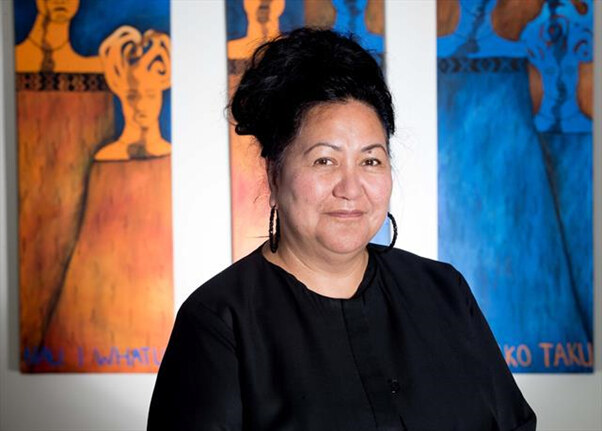
I was born in Tuatapere in Western Southland, one of the first babies born in the newly opened Maternity Home in the late 1950s. I was what was termed back then a ‘blue baby’, my mother was told to take me home and keep an eye on me. Not many blue babies survived back then but I did. I am the number two daughter with 8 other sisters and two brothers who are the eldest.

My mother was from the Wharetutu and Potiki whānau and my father in his 90s is the oldest surviving child of Rapana Tamarapa and Koi Mirimiri from Taranaki, having arrived with a group of other Māori men to work at Ocean Beach Freezing works in Bluff and then Makarewa.

My father worked seasonally shifting into other labour-intensive work while my mother worked extraordinary hours often arriving home just in time to begin breakfast and the usual home keeping that waits for many working women.

My parents were hardworking people yet according to state documents my parents were “neglectful and lazy” us kids “without proper control”. Add a generous dollop each of racism, state power and the legal apparatus to enforce and we have a ‘perfect storm’ for the wholesale uplift of Māori children into state care.

Years later on receiving my records I found an entry where I had indicated a desire to go to university. The comment was insightful to me even back then, “Donna has aspirations above her station in life”. Later I was to hear that comment often only it became, “she is too academic”, “too educated”, “not Māori enough”, “privileged Māori woman” and all those other terms that are designed to put me in my place.

Being in state care taught me hyper-vigilance, education gave me the tools to interrogate what counts as “in our best interests” and my whānau reminds me every day about the utility of ‘transformation” in their lives. My mother Doreen was a formidable woman and taught me a healthy disdain of what she called “flash people”, government and do-gooders. My father Michael, relishes living alone where privacy is his last bastion of dignity. He taught me about the importance of mana motuhake – self-determination is extremely important to him as he politely declines offers of assistance from non-kin.

My great grandmother Eliza Potiki signed the suffrage petition on Rakiura and was a member of the Women’s Christian Temperance Union. My grandmother Pani Cross advocated for ‘ladies bars’ in pubs as she was concerned about men returning home with reduced pay packets during the period of the six o’clock swill. My mother was a union representative and an advocate for employees. While all working on different kaupapa, their agenda was to improve the lives of whānau. Despite the chaotic intervention of the state into their lives, these women often took a stand against the popular trends of the time.

I am a proud mother when I see my children at the start of their life journeys, taking up leadership positions in our own indigenous institutions. I see their struggles, nothing has changed, they are struggling against the racism of mainstream services that confronted me nearly 30 years ago, at times with the same characters. The state has fed an industry of services that were built on the backs of successive generations of Māori whānau, neither the state nor the NGO sector will give up this monopoly easily.

What they will offer us is a trojan horse, the opportunity to ‘co-chair’ their organisations. Not co-own just be at their table. We remain at risk of withering on the exotic vine of ‘biculturalism’ as pressure to partner with Māori increases. These are cautious times as well as times of great opportunity for whānau to design the systems responsible for building both environment and infrastructure that promote mana motuhake.

Posted: 24 March 2022
Seed Collection Wānanga

By Tegan Ramage

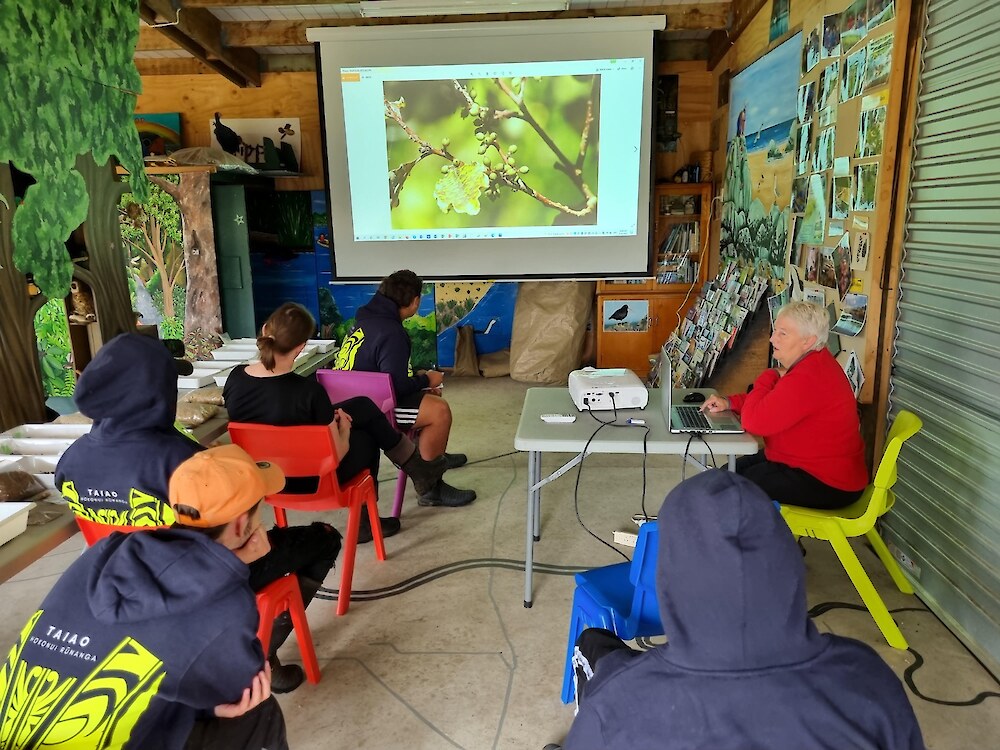
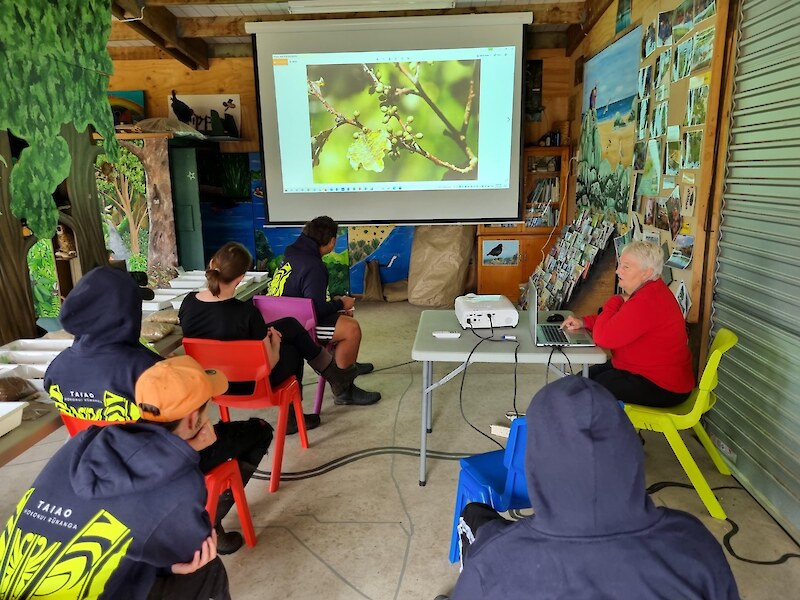
Hidden in Otatara, an outer suburb of Invercargill you can find two hidden gems, the Southland Community Nurseryowned and operated by Chris and Brian Rance, and the Oreti Tōtara Dune Forest reserve. We were lucky to attend both for a seed collection wānanga and also to have been joined by Te Tapu o Tāne crew! Even if this reunion was short lived before parting ways for the day.Tauira and Anna pay close attention to slideshow given by Chris Rance.Tauira and Anna pay close attention to slideshow given by Chris Rance.

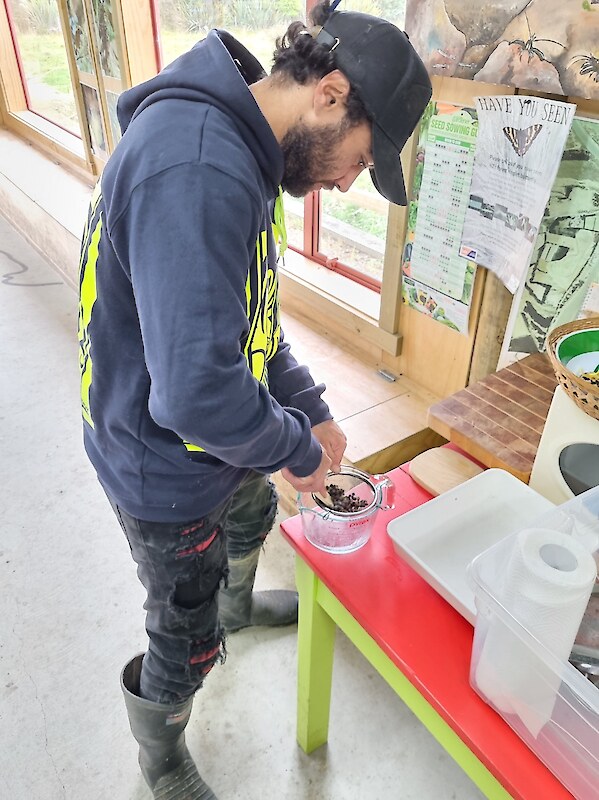
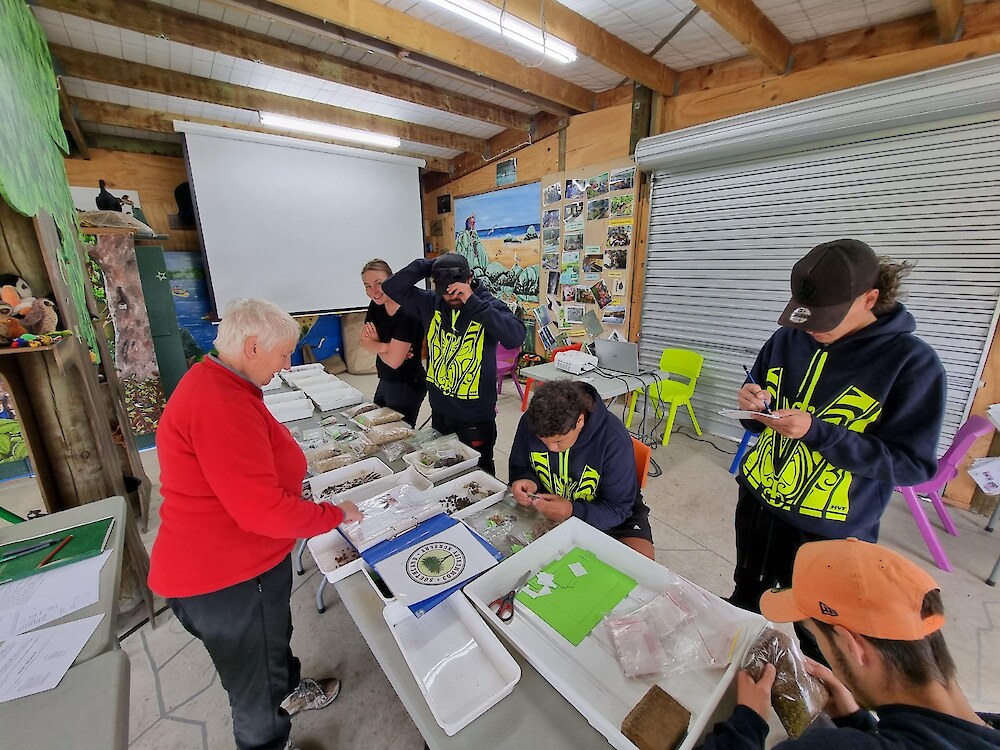
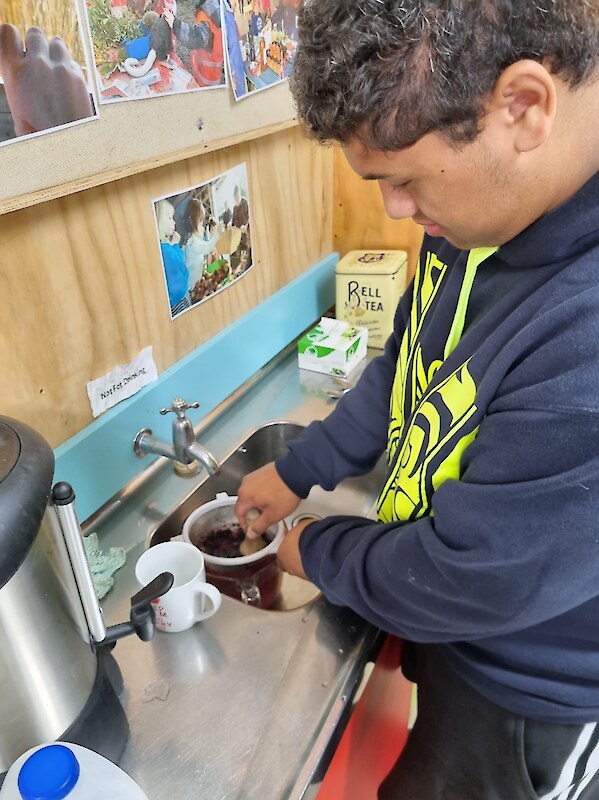
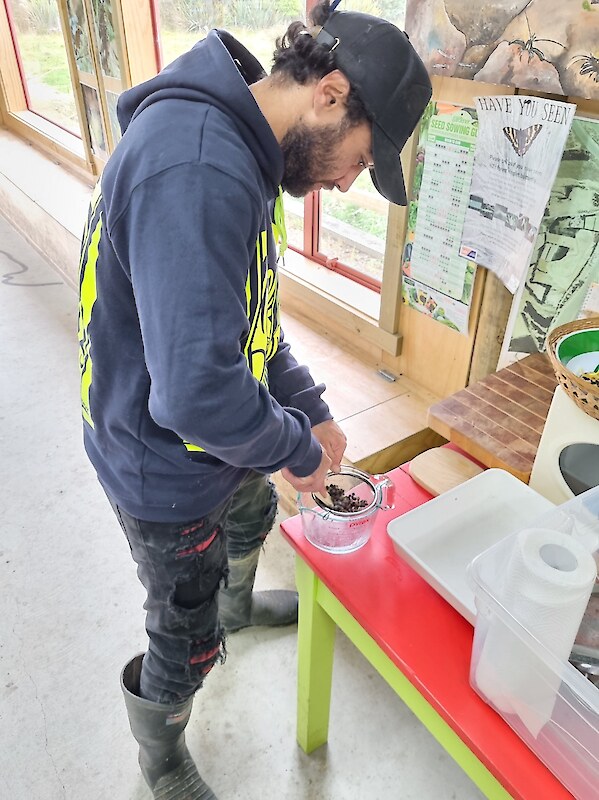
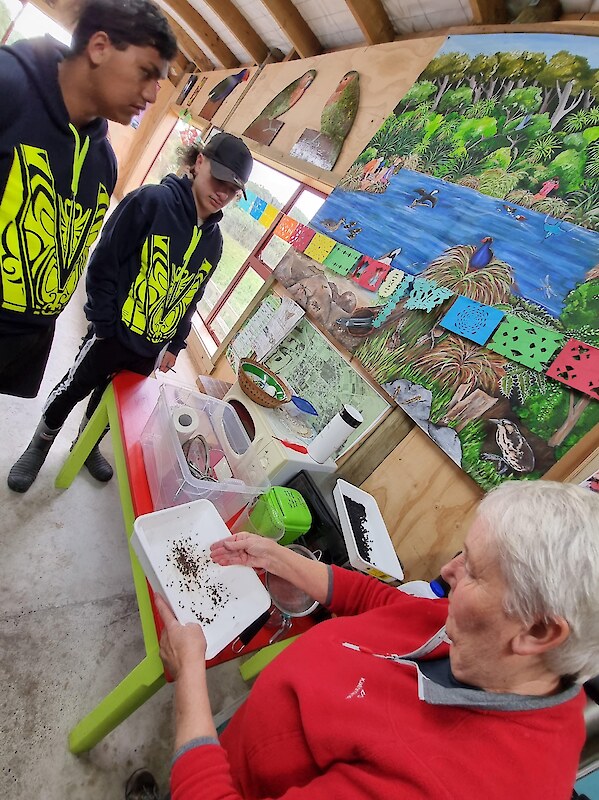
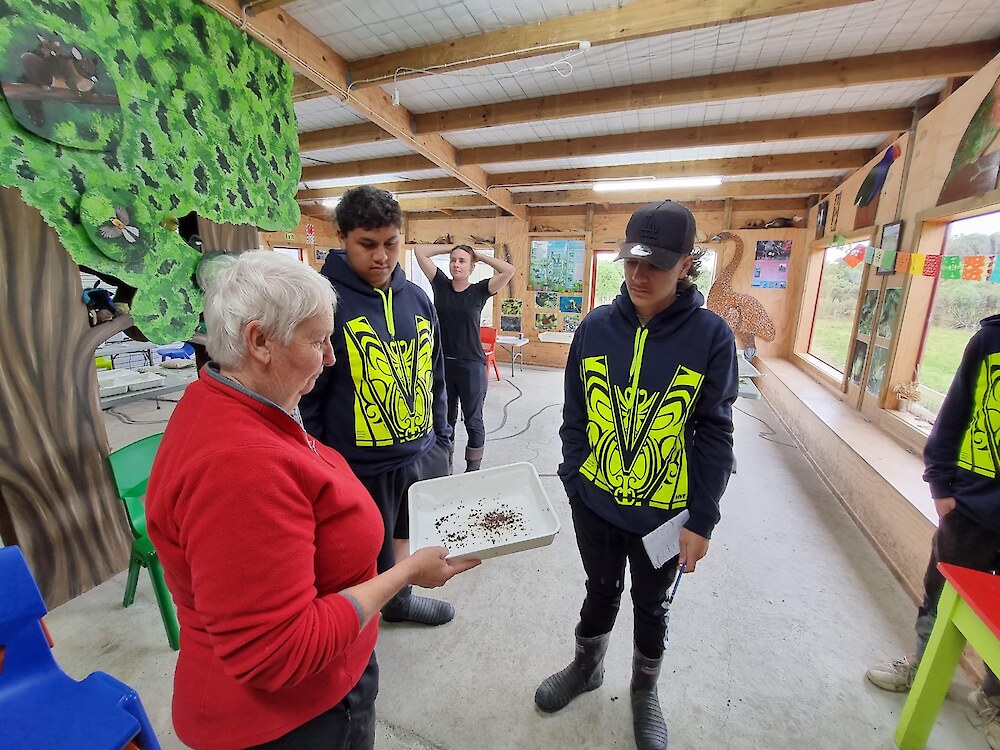
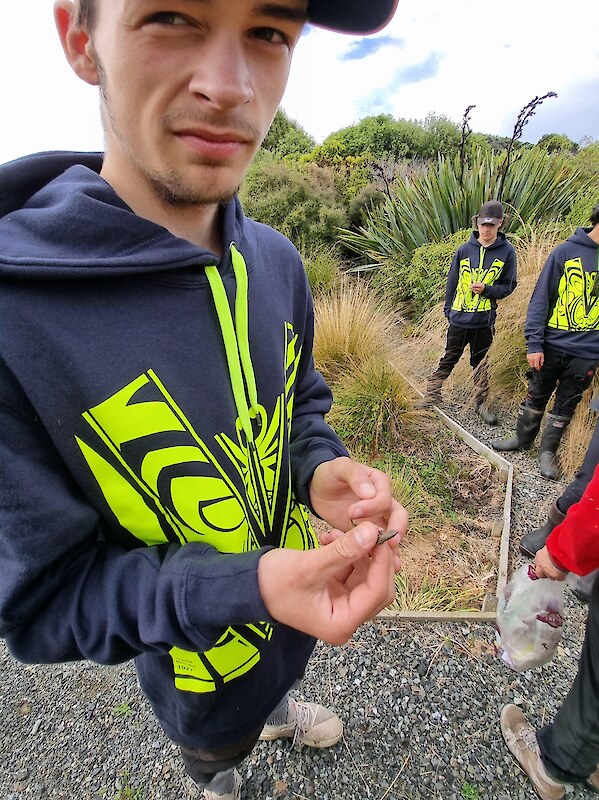
Left in the care of Chris Rance (Manager of the Southland Community Nursery), our tauira begun the day in the nursery workshop with a quick-fire round of introductions, then straight into it with a slideshow. It showed locally sourced plant life found on Chris’s recent venture to Bluff, where she explained how to differentiate between the different types of vegetation, their names, and what the seeds look like. We gathered around the table, which had a variety of seed types ranging in size, shape, and texture for the boys to investigate. Kaloni Taylor extracted makomako (wineberry) seeds, and Raniera Smyth chose kōtukutuku (tree fuchsia), which he instantly regretted because he said, “they stunk”.Raniera Smyth extracting kōtukutuku (tree fuchsia) seeds.Raniera Smyth extracting kōtukutuku (tree fuchsia) seeds.

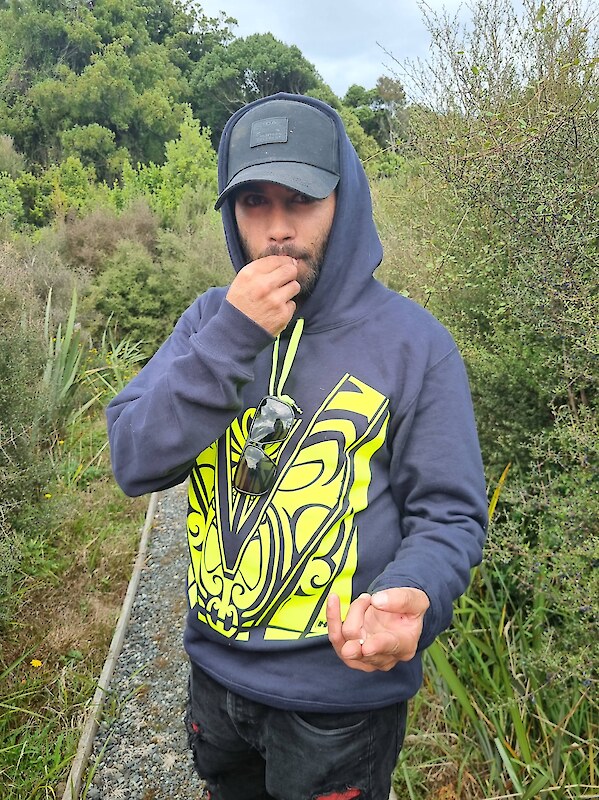
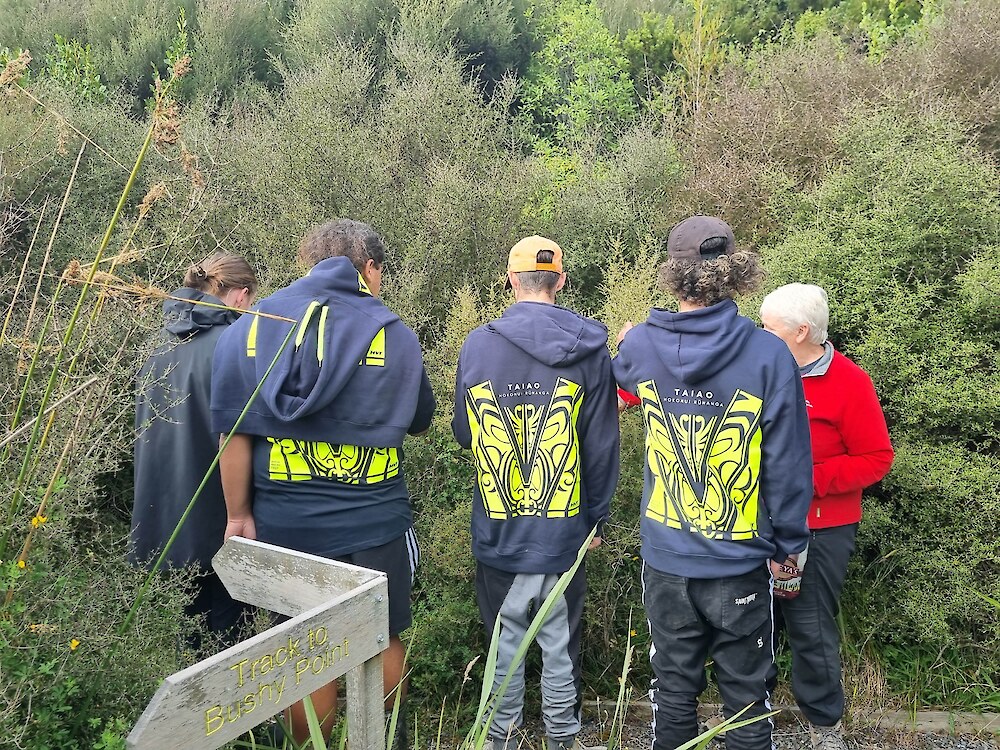
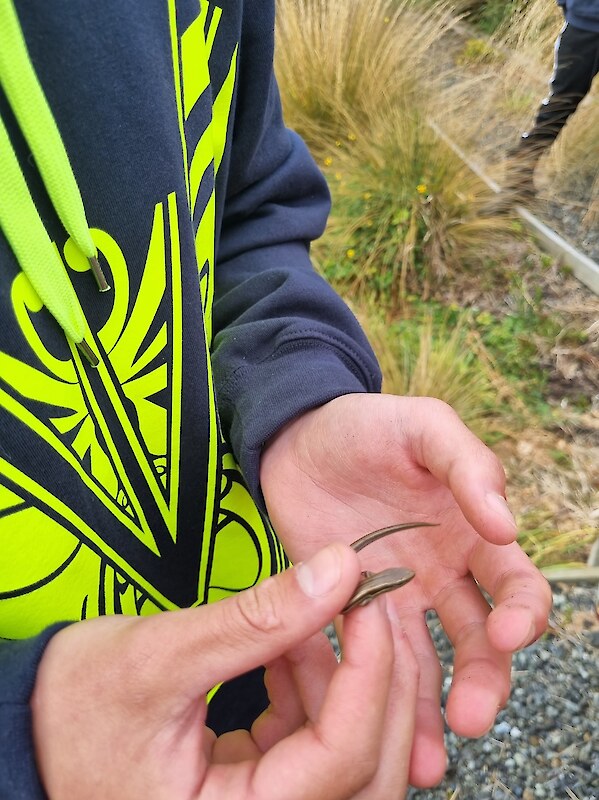
Chris took the tauira for a walk through the nursery showing the growth of certain plants which were part of last years seed collection, and how their aim for the community garden is to conserve southlands threatened plant life. She then showed the tauira the transformation that her and husband Brian have undergone to restore paddocks back into native forest, the selection of plants used in this restoration from native trees, shrubs, and wetland species. Also explaining how this process of re-colonising is called succession, and how this process can take many years before the transformation of a mature forest. On our trek, we ate berries from different Coprosma plant species, showed where and how to collect seeds, and even enjoyed seeing our very own Steve Irwin (Josh Aitken) catch a skink.

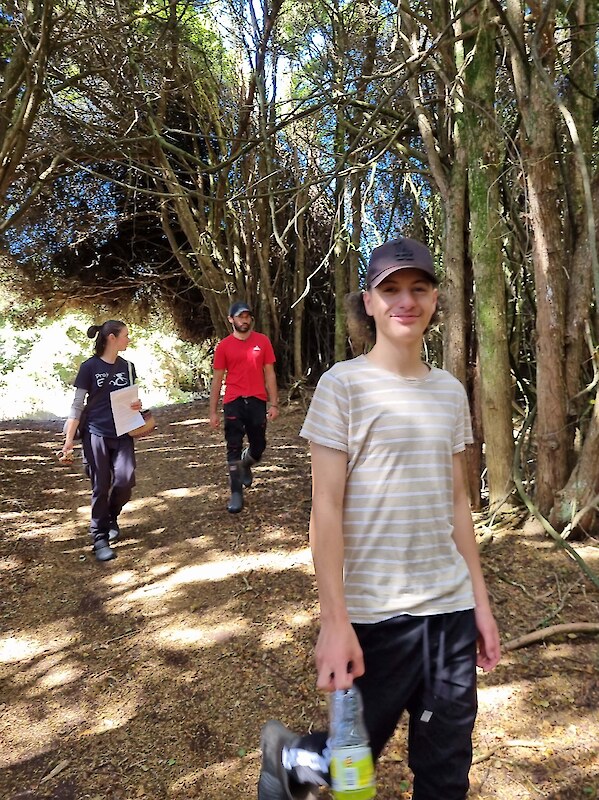
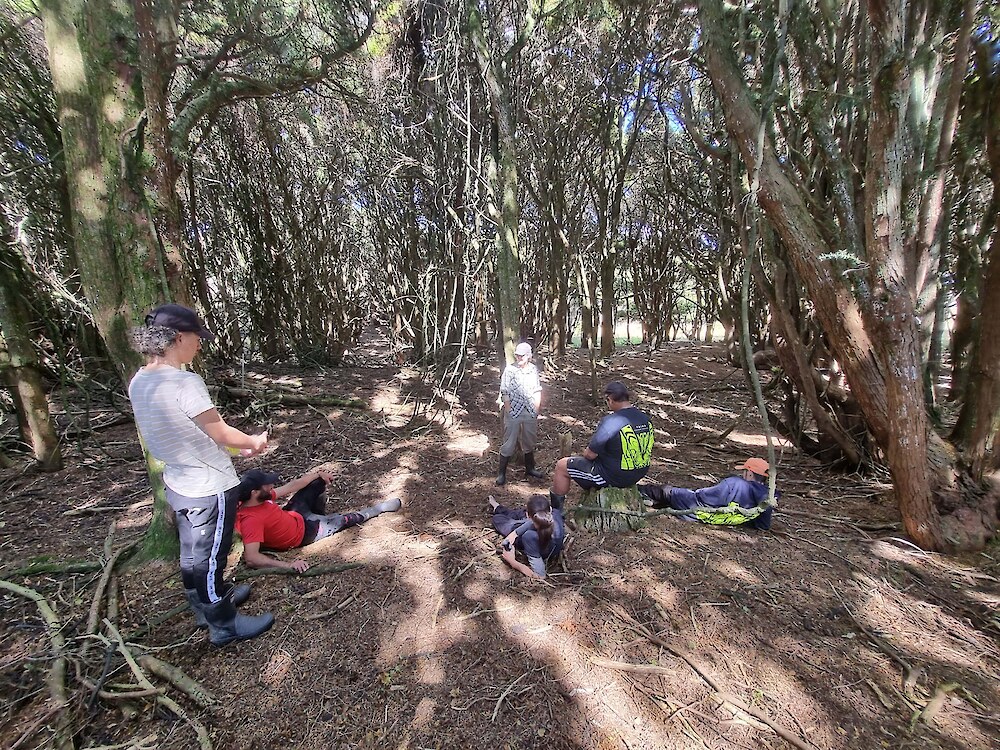
Later in the evening our crew joined forces with Jesse Bythell (QEII National Trust) and Penelope Gillette (DOC ecological expert) for a hīkoi through the Oreti Tōtara Dune Forest reserve. Jesse explained how the Native Forest Restoration Trust were able to secure this site. Sentre Harden was the most enthusiastic during our hīkoi, he really enjoyed being out in amongst the taiao. It was amazing seeing the contrasting areas as we explored, one second, you’re in the Tōtara forest learning about the soil being dry consolidated dunes, the importance of Tōtara to Māori for the construction of waka, to Mānuka shrubland in its early stages of forest regeneration.

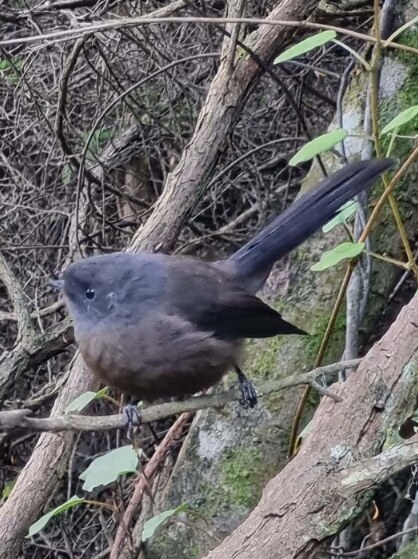
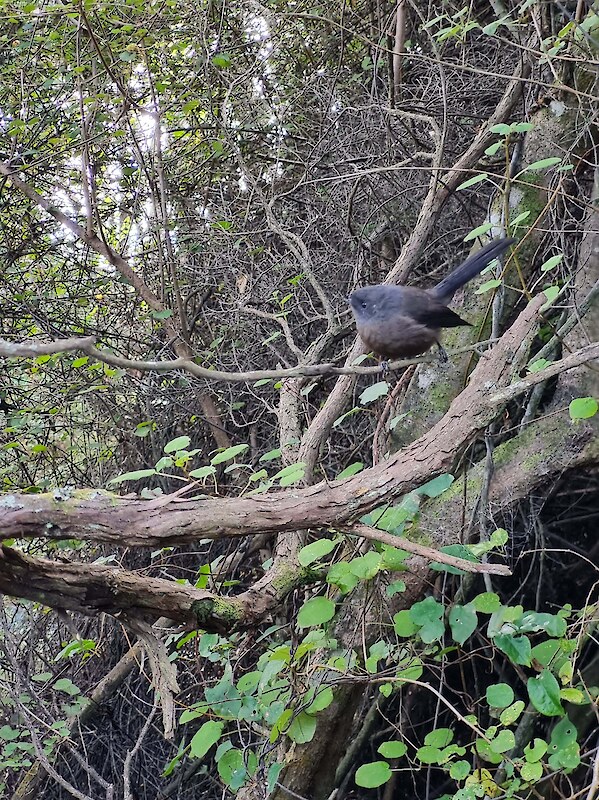
We saw a Giant scale insect found on a Mātai tree and gained another companion along the way being a black pīwakawaka (fantail).Our companion the black pīwakawaka (fantail).Our companion the black pīwakawaka (fantail).

There was just so much to learn and see, no matter how hard I try to recap, I will never do these amazing women justice by only mentioning a snippet of the knowledge bursting at the seams of these experts.

I would like to say a huge thank you to Chris Rance, Jesse Bythell and Penelope Gillette for taking time out of their busy schedule to educate us, share their passion, their knowledge, and their time.

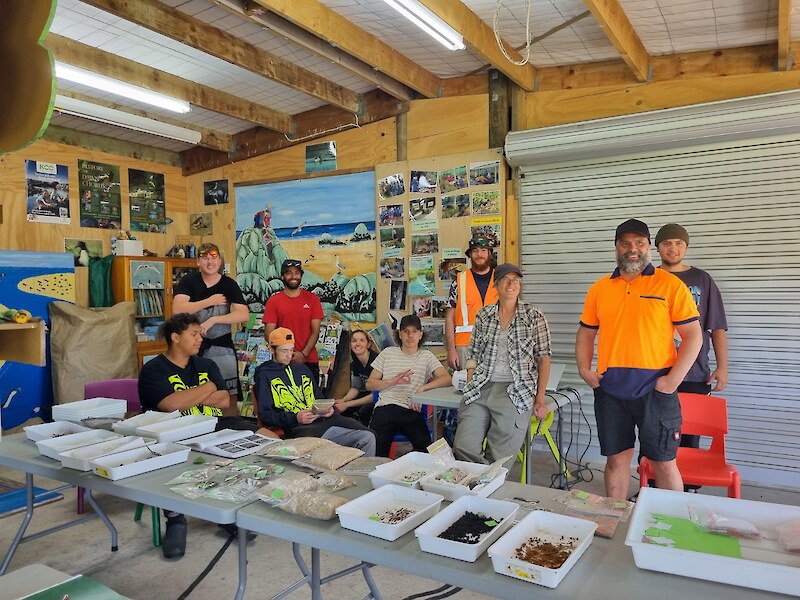
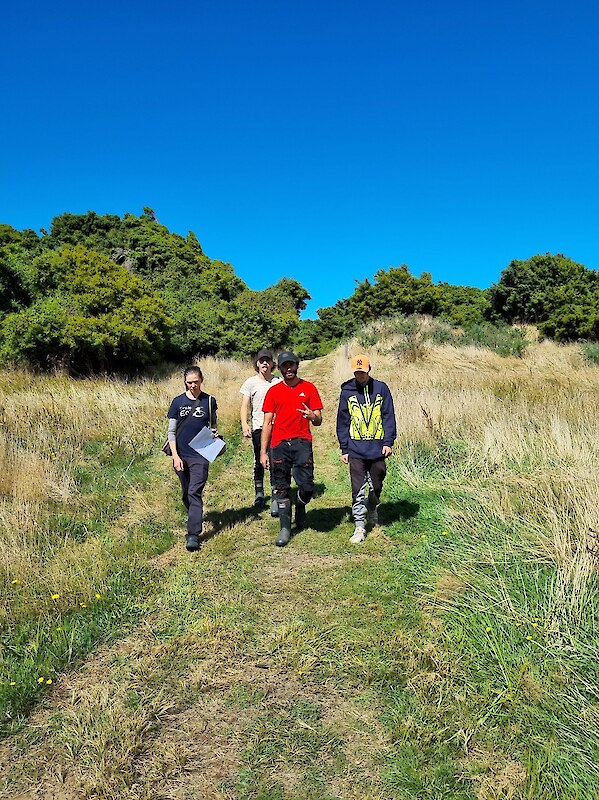
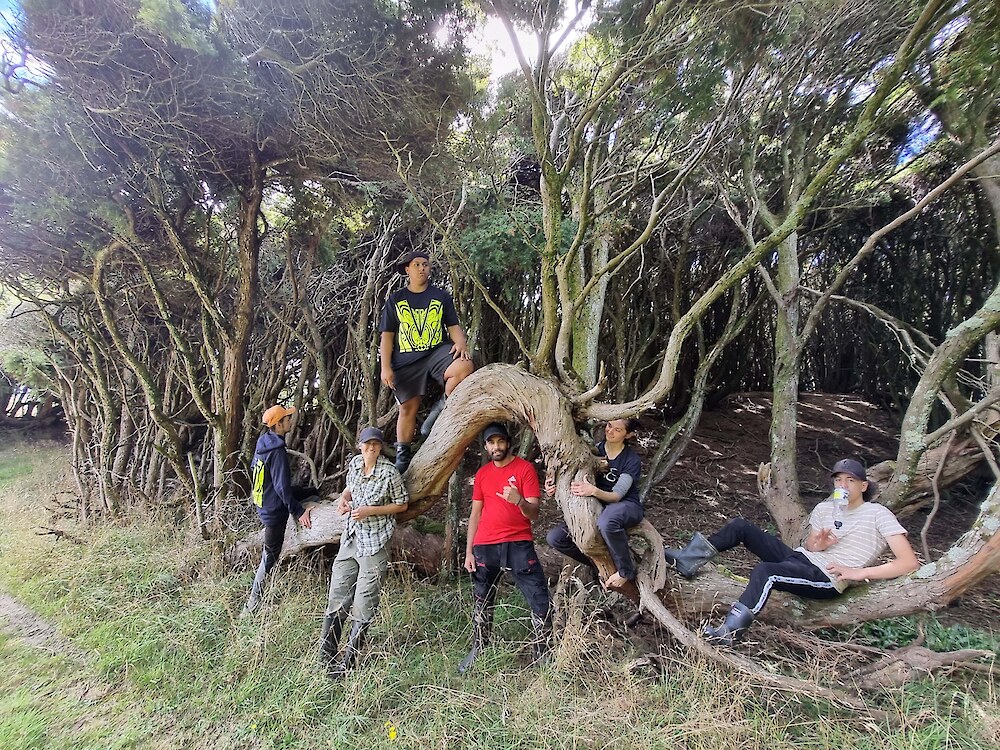
See the Hokonui Rūnanga website photo gallery for more great photos!We concluded our day with a group photo of Kaitiaki tauira, Te Tapu o Tāne and our amazing experts.We concluded our day with a group photo of Kaitiaki tauira, Te Tapu o Tāne and our amazing experts.

Posted: 17 March 2022

Seed Collection Wānanga

By Tegan Ramage

Hidden in Otatara, an outer suburb of Invercargill you can find two hidden gems, the Southland Community Nursery owned andTauira and Anna pay close attention to slideshow given by Chris Rance.Tauira and Anna pay close attention to slideshow given by Chris Rance. operated by Chris and Brian Rance, and the Oreti Tōtara Dune Forest reserve. We were lucky to attend both for a seed collection wānanga and also to have been joined by Te Tapu o Tāne crew! Even if this reunion was short lived before parting ways for the day.

Left in the care of Chris Rance (Manager of the Southland Community Nursery), our tauira begun the day in the nursery workshop with a quick-fire round of introductions, then straight into it with a slideshow. It showed locally sourced plant life found on Chris’s recent venture to Bluff, where she explained how to differentiate between the different types of vegetation, their names, and what the seeds look like. We gathered around the table, which had a variety of seed types ranging in size, shape, and texture for the boys to investigate. Kaloni Taylor extracted makomako (wineberry) seeds, and Raniera Smyth chose kōtukutuku (tree fuchsia), which he instantly regretted because he said, “they stunk”.Raniera Smyth extracting kōtukutuku (tree fuchsia) seeds.Raniera Smyth extracting kōtukutuku (tree fuchsia) seeds.

Chris took the tauira for a walk through the nursery showing the growth of certain plants which were part of last years seed collection, and how their aim for the community garden is to conserve southlands threatened plant life. She then showed the tauira the transformation that her and husband Brian have undergone to restore paddocks back into native forest, the selection of plants used in this restoration from native trees, shrubs, and wetland species. Also explaining how this process of re-colonising is called succession, and how this process can take many years before the transformation of a mature forest. On our trek, we ate berries from different Coprosma plant species, showed where and how to collect seeds, and even enjoyed seeing our very own Steve Irwin (Josh Aitken) catch a skink.

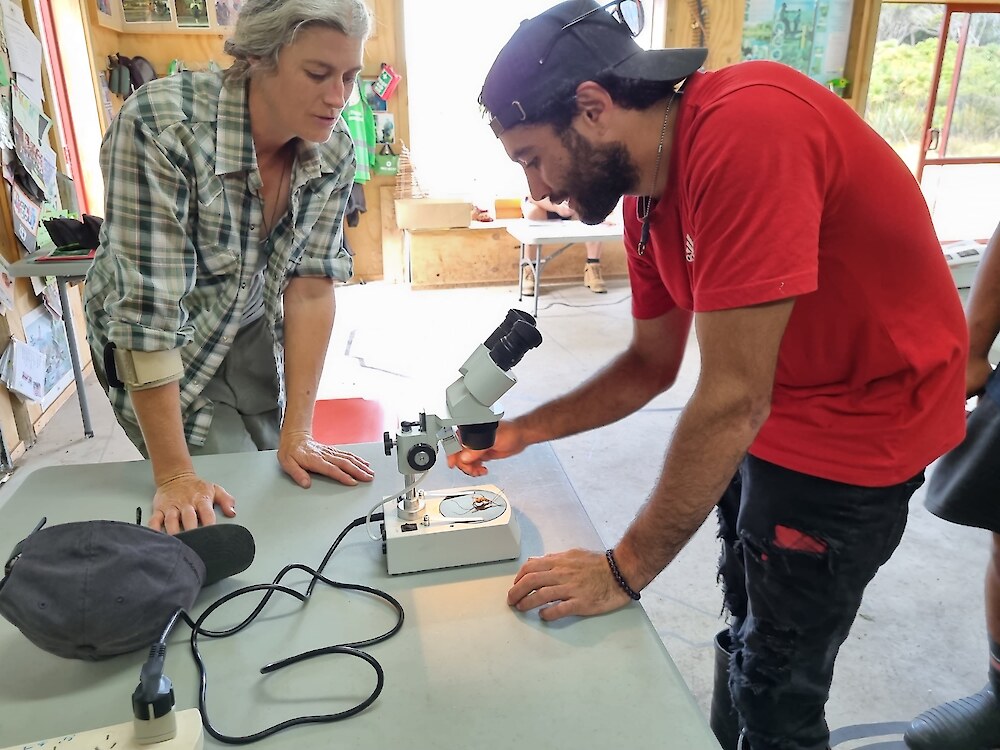
Later in the evening our crew joined forces with Jesse Bythell (QEII National Trust) and Penelope Gillette (DOC ecological expert) for a hīkoi through the Oreti Tōtara Dune Forest reserve. Jesse explained how the Native Forest Restoration Trust were able to secure this site. Sentre Harden was the most enthusiastic during our hīkoi, he really enjoyed being out in amongst the taiao. It was amazing seeing the contrasting areas as we explored, one second, you’re in the Tōtara forest learning about the soil being dry consolidated dunes, the importance of Tōtara to Māori for the construction of waka, to Mānuka shrubland in its early stages of forest regeneration.

We saw a Giant scale insect found on a Mātai tree and gained another companion along the way being a black pīwakawaka (fantail).Our companion the black pīwakawaka (fantail)Our companion the black pīwakawaka (fantail)

There was just so much to learn and see, no matter how hard I try to recap, I will never do these amazing women justice by only mentioning a snippet of the knowledge bursting at the seams of these experts.

I would like to say a huge thank you to Chris Rance, Jesse Bythell and Penelope Gillette for taking time out of their busy schedule to educate us, share their passion, their knowledge, and their time.

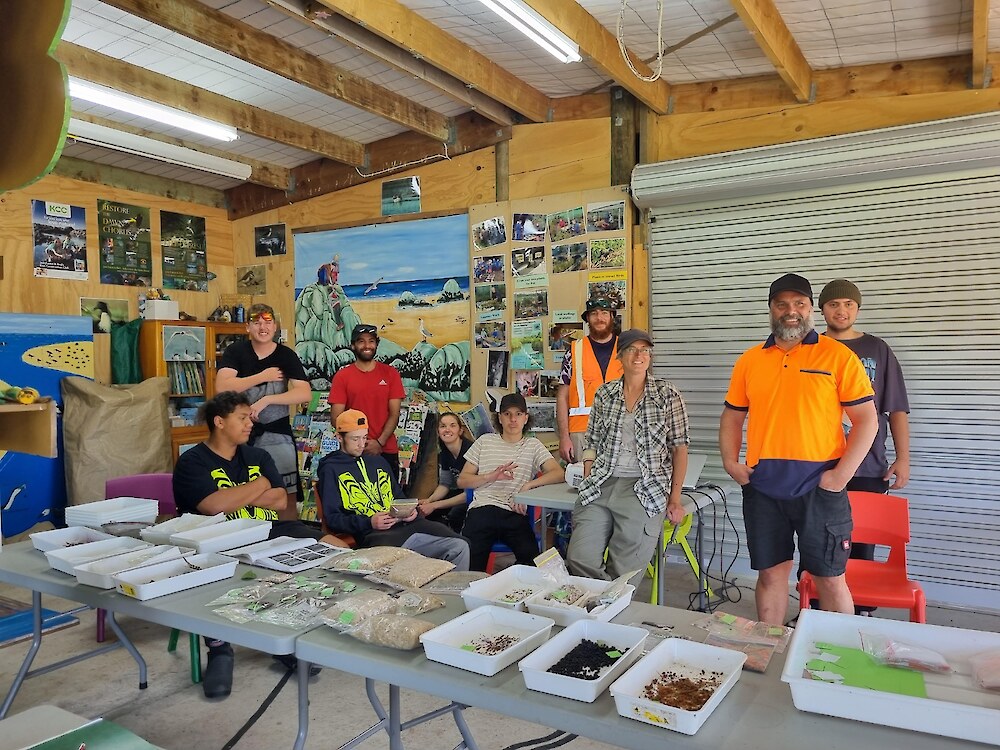
We concluded our day with a group photo of Kaitiaki tauira, Te Tapu o Tāne and our amazing experts.We concluded our day with a group photo of Kaitiaki tauira, Te Tapu o Tāne and our amazing experts.

Tauira and Anna pay close attention to slideshow given by Chris Rance.
Tauira investigating seeds.
Kaloni Taylor extracting makomako (wineberry) seeds.
Raniera Smyth extracting kōtukutuku (tree fuchsia) seeds.
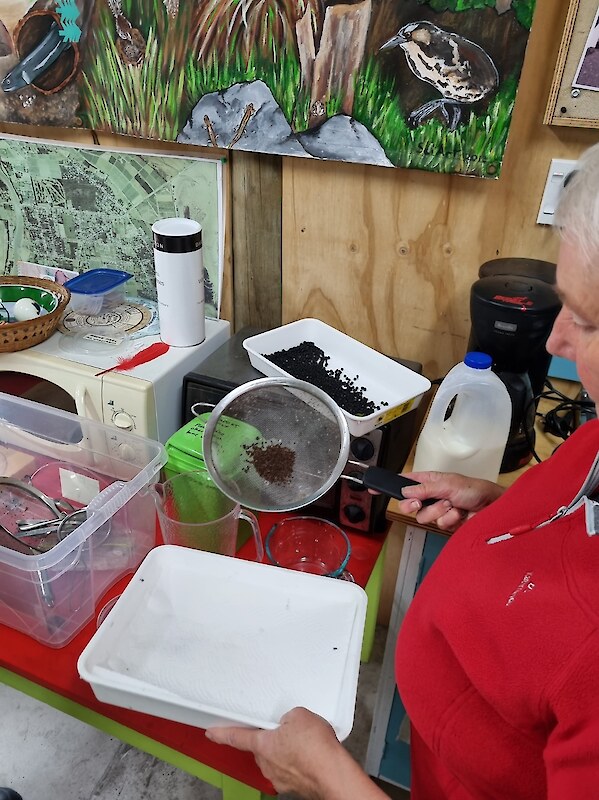
Chris Rance showing tauira the process of drying seeds.
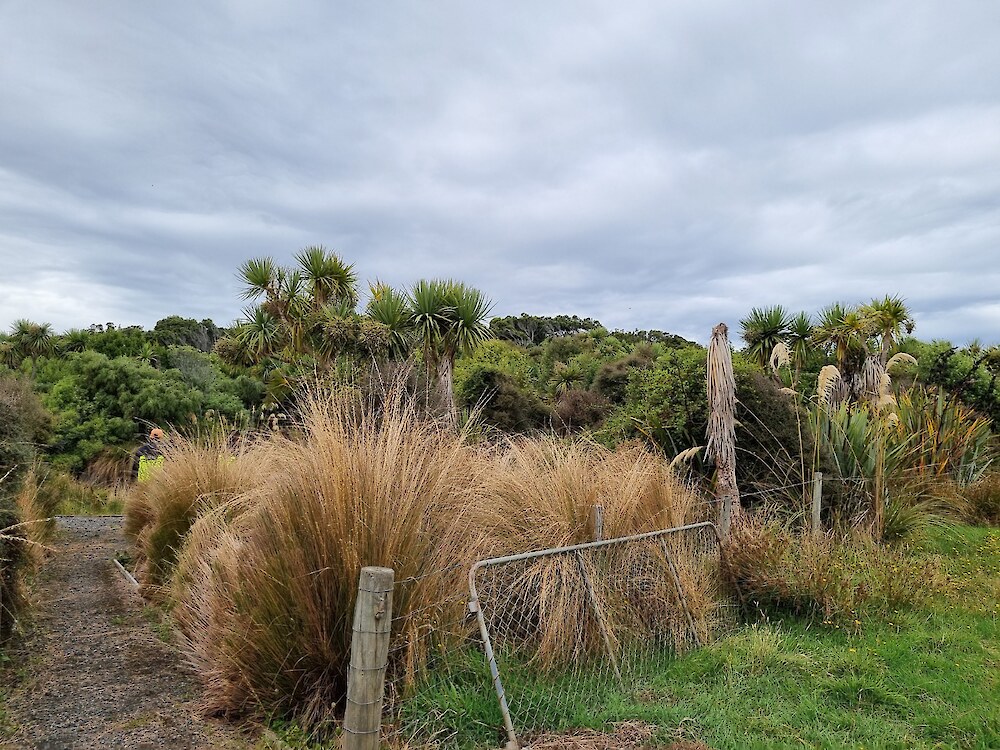
Land that has been restored to native forest.
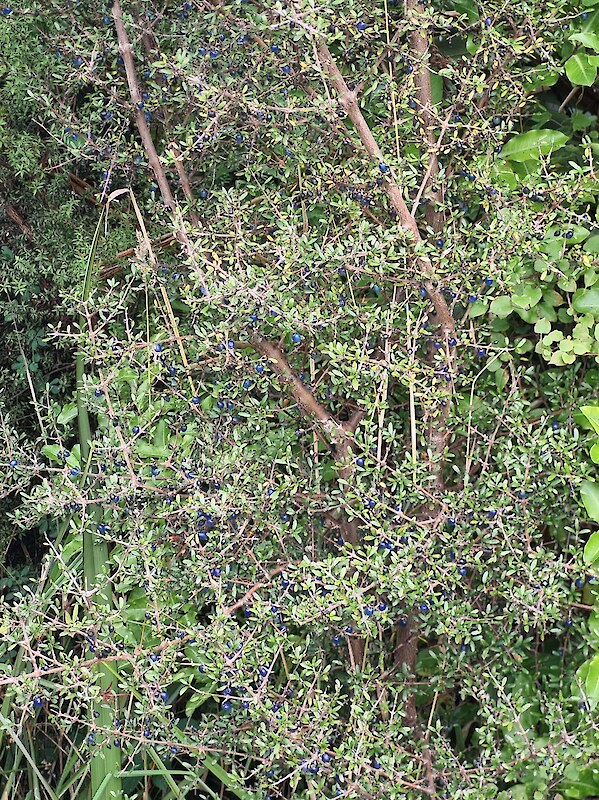
Mingimingi (Coprosma propinqua).
Raniera Smyth trying Mingimingi (Coprosma propinqua) and showing the seed in his other hand.
Tauira trying Mingimingi (Coprosma propinqua).
Our very own Steve Irwin (Josh Aitken) caught a Skink!
Oreti Tōtara Dune Forest reserve hīkoi.
Sentre Harden enthusiastically walking through Tōtara Forest.
Jesse Bythell sharing facts about the Tōtara Forest.
Group photo during hīkoi.
Our companion the black pīwakawaka (fantail).
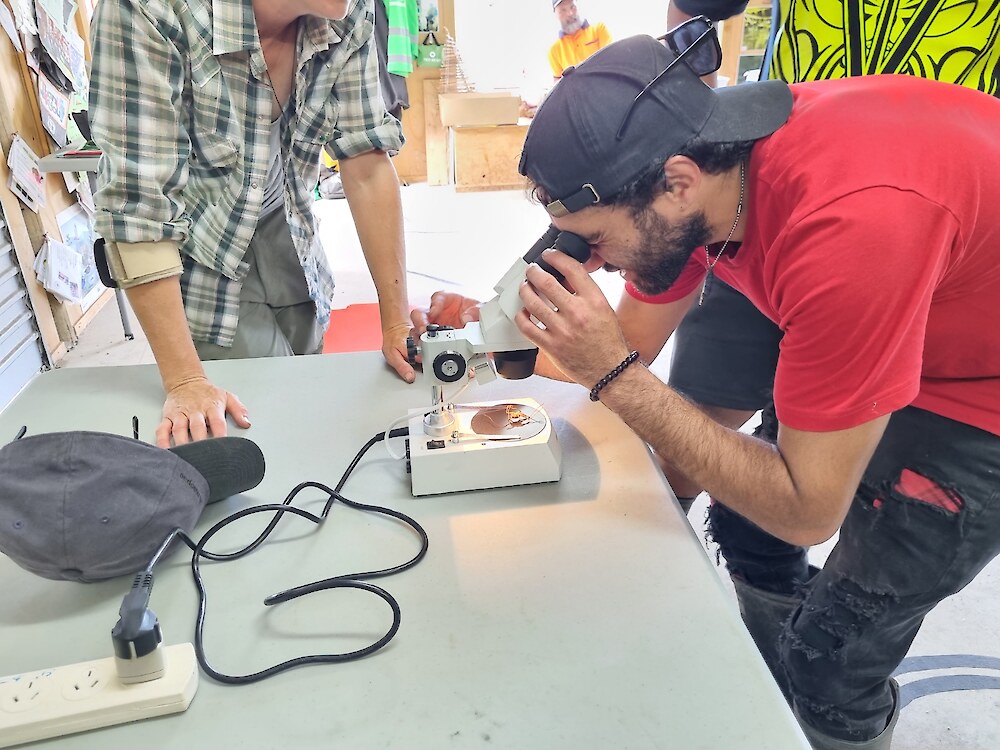
Raniera Smyth looking at an insect under microscope, with direction from Jesse Bythell.
We concluded our day with a group photo of Kaitiaki tauira, Te Tapu o Tāne and our amazing experts.

Posted: 17 March 2022

First Hui for Clean Energy Working Group

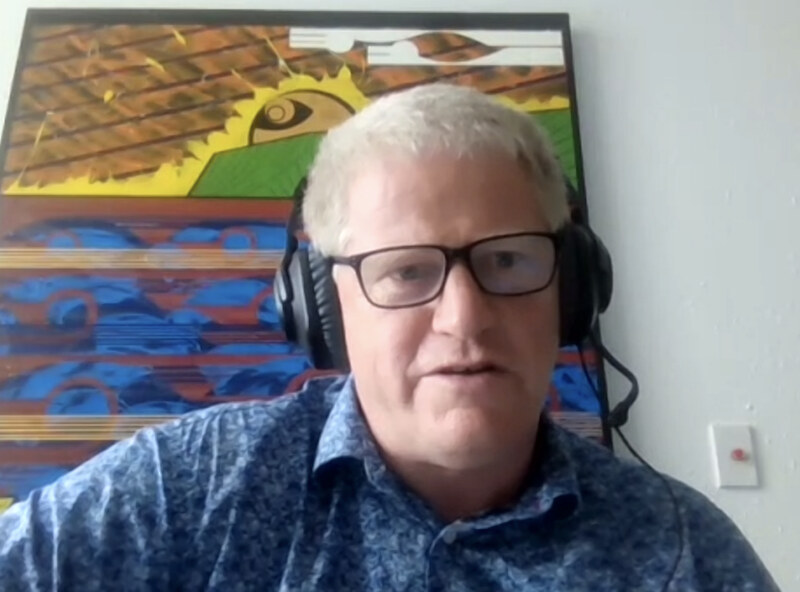
On Thursday 10 March, we kicked off with the first meeting of the Clean Energy Working Group, led through Murihiku Regeneration. Clean Energy project lead Mike Shatford speaking at the Working Group hui last Thursday.Clean Energy project lead Mike Shatford speaking at the Working Group hui last Thursday.

The purpose of the work is to sit alongside the Tiwai Futures and Green Energy work underway within Murihiku Regeneration. This specific work will look at regional priorities and projects for consideration first by the Just Transitions Enduring Oversight Group member (made up of regional leaders), and then to then go to the Ministry of Business, Innovation and Employment for prioritisation, and then to Minister Megan Woods to consider and present to Cabinet later this year. To support this work, a final report will be delivered to government by late August 2022.

Our Sponsor - Tā Tipene ORegan - Upoko o Awarua, has focused and challenged the group to look at projects which are regenerative, transformative, and which will support successive generations at a local community, regional and work in the national interest. High on the list will be consideration of ‘green’ energy projects - including new generation, production and storage, marine energy, distribution and process heat projects.

Our Working Group Chair - Eric Roy along with Murihiku Regeneration Portfolio Director - Terry Nicholas from Hokonui Rūnanga - is leading a diverse group of national, regional level leaders with strong engagement and input from Murihiku Hapū, to develop and support an approach which will help enable the transition away from fossil fuels.

The group will be focused on high value opportunities that can be developed and delivered in the near future - and help activate and speed up the renewables transition. We will also be looking at activating the ecosystem needed to rapidly supprt this transformation- and decide where we need to really focus.

We will be providing details of the working group mahi, background on the membership, and enable contribution and comments from Murihiku whānui and the wider community on projects and priorities to the various sector leads as they identify priorities.

Posted: 14 March 2022
Environment Southland appoints mana whenua representatives to council committees

From Stuff article by Rachael Kelly

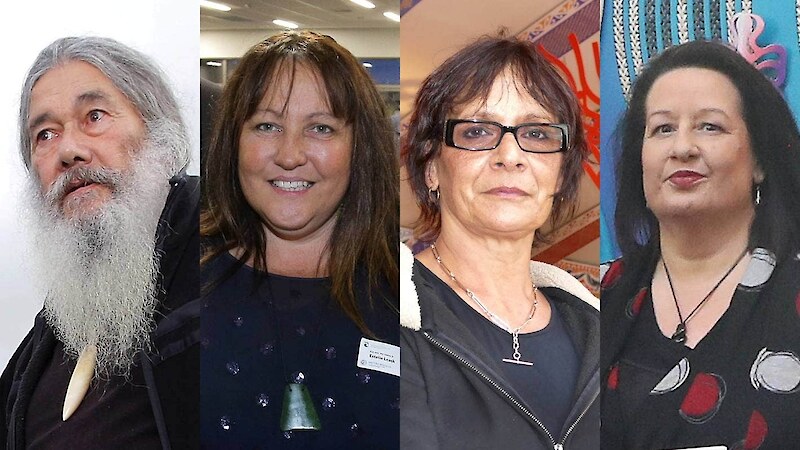
Four mana whenua representatives will be appointed to Environment Southland committees at a full council meeting on Wednesday.Mana whenua representatives Stewart Bull, Estelle Leask, Gail Thompson and Ann Wakefield will be appointed to Environment Southland committees.Mana whenua representatives Stewart Bull, Estelle Leask, Gail Thompson and Ann Wakefield will be appointed to Environment Southland committees.

Gail Thompson and Estelle Leask will be appointed to the Regional Services Committee (Rōpū Ratonga-a-Rhoe), and Stewart Bull and Ann Wakefield be appointed to Strategy and Policy Committee (Rautaki me Mahere).

A report from the council’s democracy services executive assistant Jan Brown, which will be tabled at the meeting, says the council resolved to approve the creation and appointment of two mana whenua members to the committees at a meeting in February 2019.

The appointments would further the relationship with iwi under the Charter of Understanding, and also mean the regional council would meet its Local Government Act 2002 obligations to facilitate Māori into the decision-making processes used by council, the report says.

An invitation was issued to Te Ao Mārama Inc to make nominations to these positions, and since that time it has been working through its nomination and appointment processes.

Te Ao Mārama Inc represents Ngai Tahu ki Murihiku tangata whenua for resource management and local government purposes.

The principles, key competencies and accountability requirements that were considered by council were provided to assist them with this process. Potential or interested candidates would be invited to sit in on committee meetings prior to confirming their interest, the report says.

The council’s resolution on the appointments to the mana whenua roles provides that the nominees be in place based on the triennial election cycle. Local government elections will be held in October, and at the inaugural council meeting for the next council, these appointments will need to be addressed.

Posted: 9 March 2022
Prev page
Page 32 of 42
Next page

Also in this section

Pānui updates Photos
  • News
    • Pānui updates
    • Photos

© 2026 Hokonui Rūnanga • Website by RS

Facebook
  • Home
  • About us
    • Who we are
    • Murihiku Regeneration
      • Structure and context
      • Office of Upoko
    • Property assets
    • Find us
    • Job vacancies
  • Our history
    • Our whakapapa - a deep connection to this place
    • Wai and Whakapapa
    • The Battle of Waitaramea
    • Poupoutunoa and Kauwaewhakatoro
    • Two Rivers: Mataura (Mata Ura) and Clutha (Mata Au)
      • Mata Ura - Mataura River
      • Mata Au - Clutha River
  • Events & key dates
    • Energy, Infrastructure and Opportunities Wānanga 2026
    • Energy and Innovation Wānanga 2024
    • Energy and Innovation Expo 2023
      • He Ao Hou - New Futures Murihiku 22 May
      • Live Streaming of Wānanga 23 and 24 May
      • Hosts and Key Speakers 23-24 May
      • Energy and Innovation presentations - 23 May
        • Opening Addresses
        • Global Session
        • Empowering partnerships: government's role in Aotearoa's energy transition
        • Climate Economics
        • Regional Infrastructure
        • Social regeneration and innovation
        • Regional Innovation
        • The importance of the Māori economy through this change
      • Energy and Innovation presentations - 24 May
        • Regional Leadership Panel
        • Regional Plans and Priorities
        • Southern Green Hydrogen
        • Tiwai Smelter Future
        • Southland Aquaculture
        • Regional Case Studies: Decarbonisation
        • Innovation and Bluff Re-imagining
        • Confirming Priorities: wrap-up and closing
    • Science and Innovation Wānanga 2021
    • He Ao Hou - New Futures Murihiku Teacher PD Day
  • Education & training
    • Education - Hokonui Rohe Team
    • Te Ara Aukati Kore - Education, Training, and Capability
      • Kia Tū Pathway Planning Programme
        • Kia Tū in schools
        • Kia Tū Tertiary Pathway Programme
        • Meet Your Kaiako - SIT Campus
      • Anamata Māia: Bold, Confident Futures Service
        • Our Kaimahi - Staff
      • Penapena Ā Kura: School Attendance Service
      • Te Aka Whai Mahi: Find Your Path
      • He Ao Hou: New Futures Murihiku
    • Have your say!
  • Environment
    • Kaupapa Taiao - Hokonui Floriculture
    • Taonga Research
      • Kanakana Research
      • Our research partners
    • Southern Ocean - Murihiku ki te Tonga
    • Energy Transition Programme
      • Regional Energy Action Plan - Towards 2030
      • Energy Transition Plan for Murihiku-Southland
      • Hydrogen and Green Energy
      • Tiwai Point
    • Te Tapu o Tāne
    • Our Kaimahi - Staff
  • Health & wellbeing
    • Whānau Ora Navigators
    • Community youth worker and advocacy service
    • Hokonui Community-Led Health
    • Kaumatua Health Days
    • Te Kakano - Nurse-led Clinics
    • Our Kaimahi - Staff
    • Hokonui Takiwā Health and Wellbeing Village of Support
    • Referral form
    • COVID-19
  • News
    • Pānui updates
    • Photos
  • Contact us
    • Register
  • Facebook
  • Search...