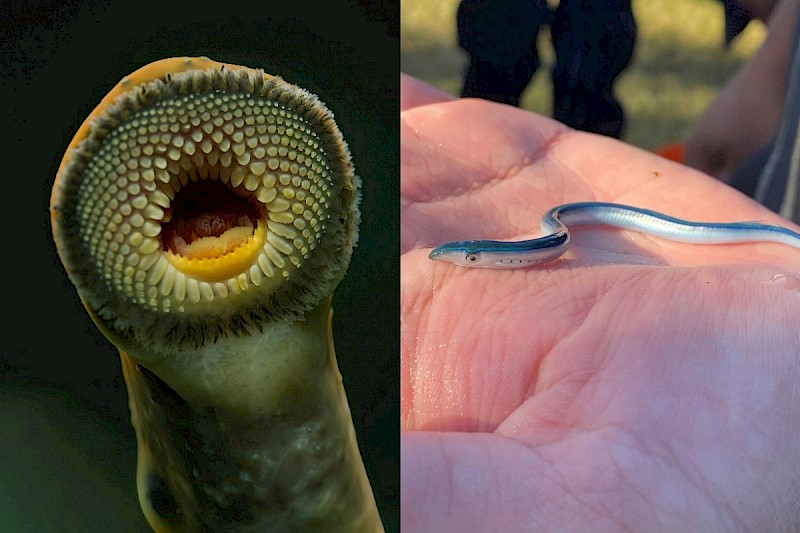
 Left: adult kanakana. Photo by Angus MacIntosh. Right: juvenile kanakana (amocete). Photo by Hokonui Rūnanga.
In New Zealand, Geotria australis (kanakana) are an important customary fishery for Māori and is considered a taonga (treasured) species, however, lamprey populations have diminished, and the species is listed Threatened – Nationally Vulnerable.
Kanakana today face a combination of challenges that threaten their survival and fitness. Many of challenges are being managed directly by Hokonui, but some additional measures can be made to further improve, enhance and protect kanakana.
As kaitiaki of kanakana, Hokonui can further their efforts to improve, enhance, and protect the species through a multifaceted approach. Firstly, community engagement and education initiatives play a vital role in raising awareness about the importance of kanakana conservation. By fostering a deeper understanding of the cultural and ecological significance of kanakana among local communities, Hokonui can mobilize support for conservation efforts and encourage sustainable practices.
Read Mollie Lyder’s article: Healing the Mataura (Mata Ura) River: an indigenous approach to river restoration.
Partnerships
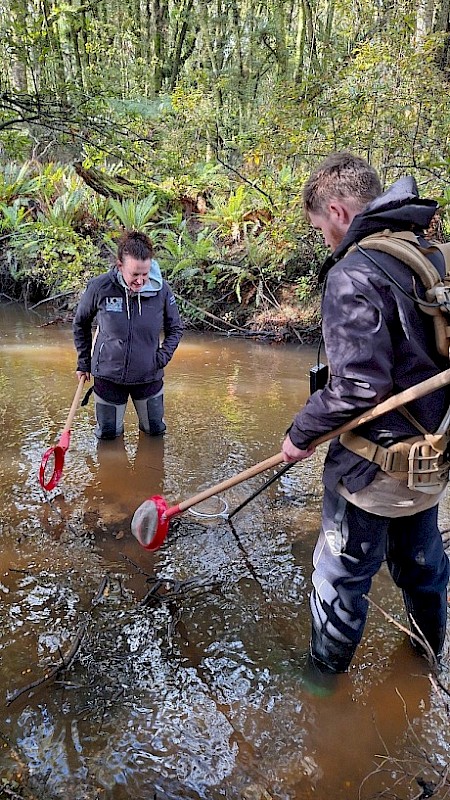 Luka Finn (Hokonui) and Helen Warburton (University of Canterbury) electrofishing for Juvenile kanakana. Photo by Kerri-Anne Edge.Strengthening partnerships with governmental agencies, environmental organisations, and other indigenous communities can amplify the impact of conservation initiatives.
Collaborative efforts can leverage resources, expertise, and knowledge-sharing networks to implement effective strategies for habitat restoration, pollution prevention, and species recovery. Such partnerships can be powerful in the conservation of kanakana.
Research and monitoring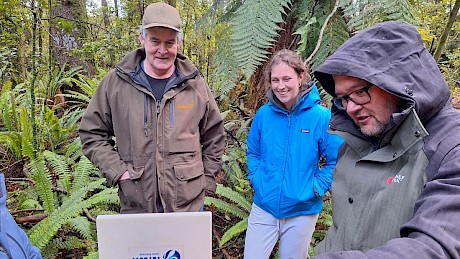 Riki Nicholas (Hokonui), Aisling Rayne (Cawthron), and Riki Parata (Hokonui) observing juvenile kanakana. Photo by Kerri-Anne Edge.
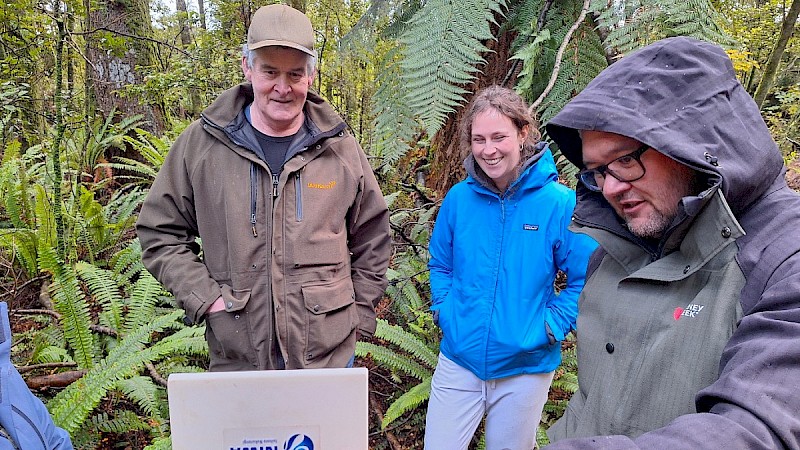
Investing in research and monitoring programmes is essential for gaining insights into the ecological dynamics and population trends of kanakana. By conducting comprehensive assessments of habitat quality, population demographics, biological markers, and ecosystem health, Hokonui Rūnanga can identify priority areas for conservation action and adaptive management strategies.
Furthermore, integrating mātauranga Māori (traditional ecological knowledge) into decision-making processes enhances the resilience and effectiveness of conservation efforts. By recognizing the intrinsic connections between cultural practices, environmental stewardship, and biodiversity conservation, Hokonui can promote holistic approaches that honour indigenous perspectives and values.
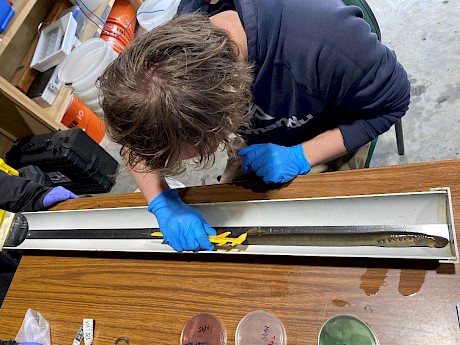 Luka Finn from Hokonui Rūnanga taking data and samples from kanakana. Photo by Hokonui Rūnanga.Our current research
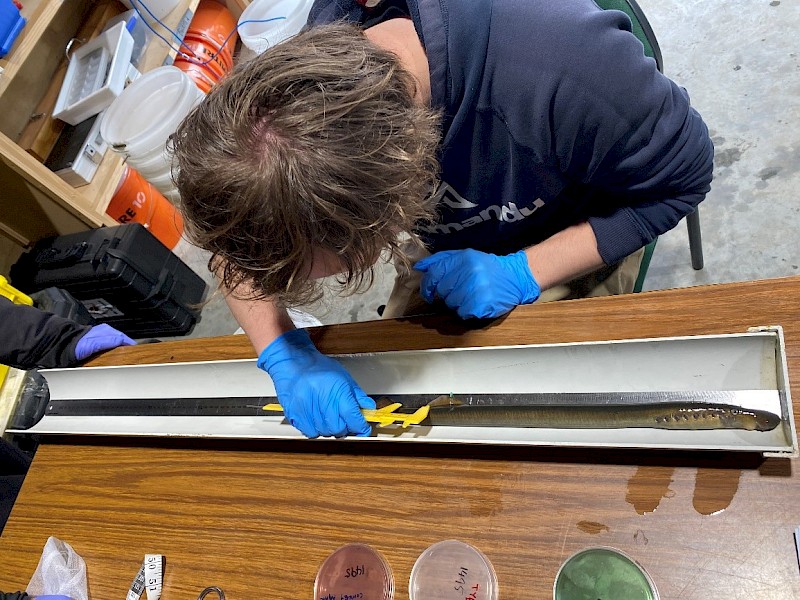
The growth of kanakana research though the Hokonui Rūnanga has led to the investigation of a dedicated research facility. Research currently being undertaken by the Hokonui Rūnanga includes:
Propagation Study – Stage One -raising adult kanakana to sexual maturation with the intent to “strip” gametes to successfully propagate and grow to pro-larvae stage, world first for NZ lamprey. Stage Two – growing to the next phase in the lifecycle before migration to the sea.
Environmental DNA – development of an assay specific to kanakana to use in the field to detect eDNA.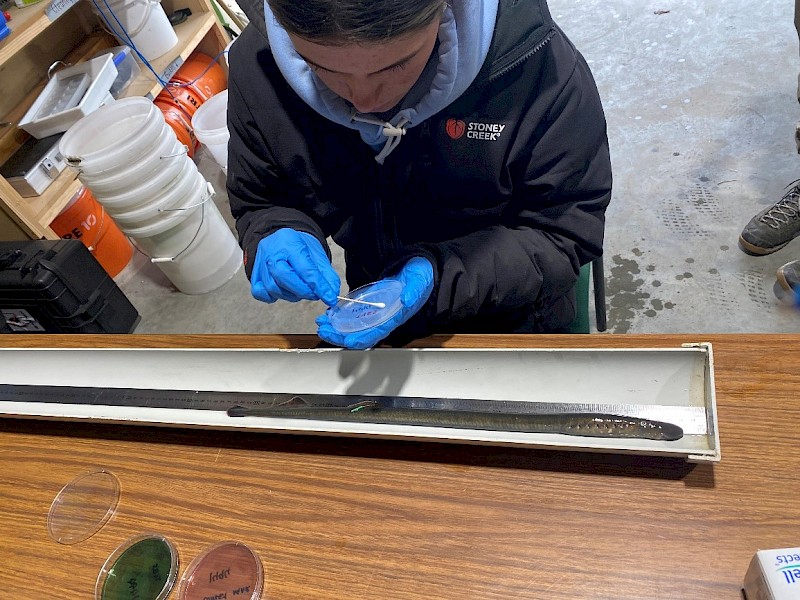 Hannah Thorburn from Hokonui Rūnanga taking data and samples from kanakana. Photo by Hokonui Rūnanga.
Lamprey Reddening Syndrome (LRS) – Part of the Emerging Aquatic Diseases successful endeavour bid investigating the causes of LRS, to date samples and results have been sent to Cawthron and research is ongoing seasonally.
Find out about Cawthon’s Emerging Aquatic Diseases Programme.
Artificial Intelligence – using a machine learning tool to capture footage and identify kanakana habits at the Mataura Falls through Roboflow software, assisted by Contact Energy.
Kanakana Passage – Led by Contact Energy and NIWA, Hokonui are supporting the project to establish a dedicated kanakana passage over the Roxburgh Dam.
View our presentation: Kanakana ki Mataura at the 2024 Crazy Ambitious 4 - Building on Momentum Conference (YouTube, 11 mins).