Hokonui Rūnanga Register
  • About us
    • Who we are
    • Murihiku Regeneration
    • Property assets
    • Find us
    • Job vacancies
  • Our history
    • Our whakapapa - a deep connection to this place
    • Wai and Whakapapa
    • The Battle of Waitaramea
    • Poupoutunoa and Kauwaewhakatoro
    • Two Rivers: Mataura (Mata Ura) and Clutha (Mata Au)
  • Events & key dates
    • Energy, Infrastructure and Opportunities Wānanga 2026
    • Energy and Innovation Wānanga 2024
    • Energy and Innovation Expo 2023
    • Science and Innovation Wānanga 2021
    • He Ao Hou - New Futures Murihiku Teacher PD Day
  • Education & training
    • Education - Hokonui Rohe Team
    • Te Ara Aukati Kore - Education, Training, and Capability
    • Have your say!
  • Environment
    • Kaupapa Taiao - Hokonui Floriculture
    • Taonga Research
    • Southern Ocean - Murihiku ki te Tonga
    • Energy Transition Programme
    • Te Tapu o Tāne
    • Our Kaimahi - Staff
  • Health & wellbeing
    • Whānau Ora Navigators
    • Community youth worker and advocacy service
    • Hokonui Community-Led Health
    • Kaumatua Health Days
    • Te Kakano - Nurse-led Clinics
    • Our Kaimahi - Staff
    • Hokonui Takiwā Health and Wellbeing Village of Support
    • Referral form
    • COVID-19
  • News
    • Pānui updates
    • Photos
  • Contact us
    • Register
  1. Home
  2. News

News

Visiting the Scott Base Pou Whenua

R. Eisert, Rewi Davis

(article dated 19 Feb, visit took place on 18 Feb 2024)

Photo credit A. PowellPhoto credit A. Powell

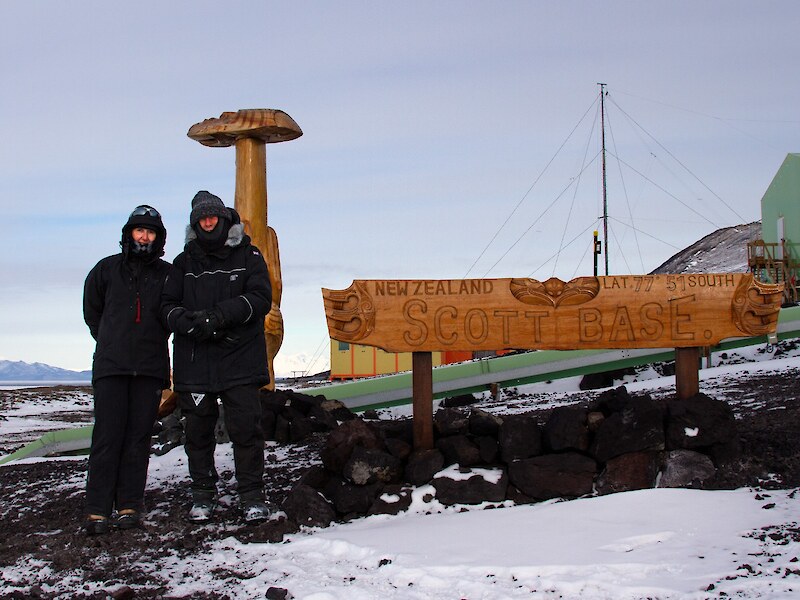
As part of the second research season of the Murihiku ki Te Tonga programme, Ngāi Tahu Team Lead, and Oraka Aparima representative Rewi Davis, visited Scott Base yesterday to pay respects to the Ngāi Tahu Pou Whenua.

The Pou Whenua was unveiled at Scott Base by then Ngai Tahu Kaiwhakahaere Mark Solomon, and then-PM John Key in January 2013. This visit forms part of a cultural and programme narrative, which links Te Waipounamu to the New Zealand Subantarctic Islands and into the Ross Sea Sector.

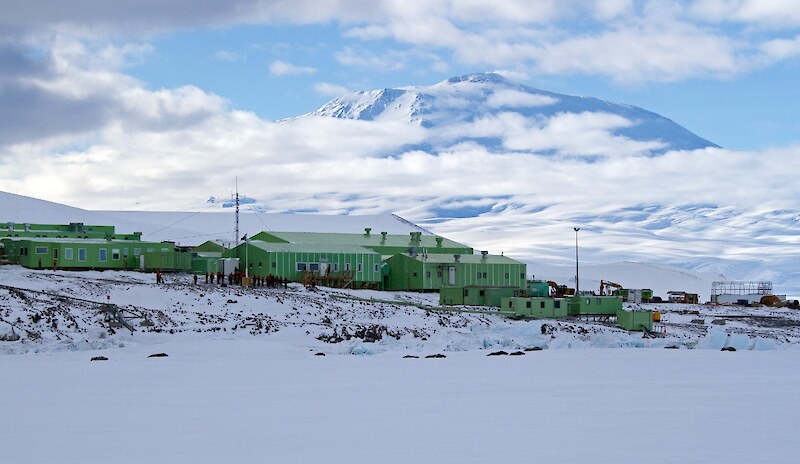
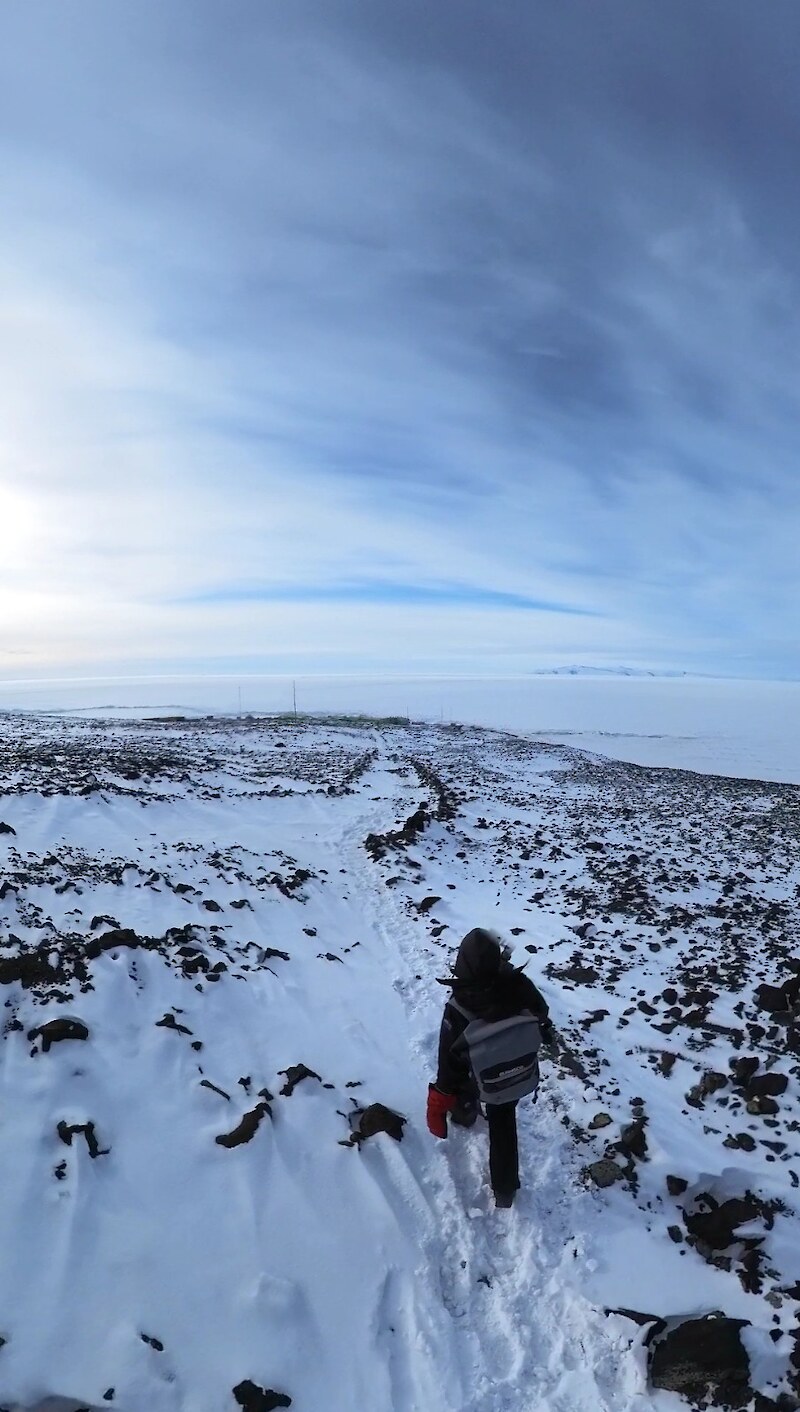
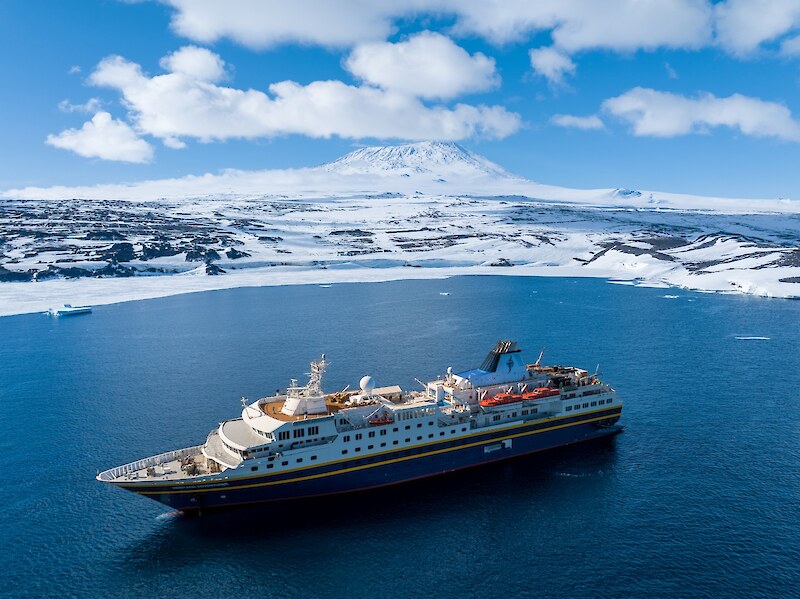
The Murihiku Expedition Team, consisting of Rewi Davis, Anthony Powell, and science lead Dr Regina Eisert, is travelling south on the Heritage Adventurer, a purpose-built 124-m long polar exploration vessel owned by Christchurch-based company Heritage Expeditions. Coming ashore in a zodiac at Hut Point, the site of Robert Falcon Scott’s first headquarters in Antarctica, the team walked through the US McMurdo Station and over the hill to Scott Base, a distance of about 3 km.

The Antarctic summer is already fading into autumn and the team walked into an extremely brisk wind that froze the breath on their balaclavas. But it was all worth it for the stunning views across the expanse of sea ice and the ethereal mountains beyond.

Taking a short cut via Hillary’s Track down the hill to Scott Base, the Team took a break in the TAE Hut, the original Scott Base set up by Sir Edmund Hillary in 1957 as part of his Transantarctic Expedition. The TAE Hut has been restored meticulously, from the giant coal stove in the kitchen to the period equipment in the radio room. As a poignant reminder, the bookshelf displayed a 1977 brochure from Air New Zealand advertising flights to Antarctica – for $245.

After some chocolate (meal of choice for Antarctic explorers), the Team visited the Pou Whenua, outlined in the morning sun and Rewi shared a simple Karakia to acknowledge the moment.

Kia hora Marino

Kia whakapapa pounamu te moana

Hei huarahi mā tatou I te rangi nei

Aroha atu aroha mai

Tātou I a tatou katoa

Hui e Taiki e!

May peace be widespread

May the sea be like greenstone

A pathway for all of us!

Let us show respect for each other

Bind us all together!

“Being able to come and pay our respects to the Pou Whenua was important for our team. It was an amazing opportunity and experience, and not one I will soon forget” confirmed Rewi Davis.

Toiling back up the hill, the team was picked up by a kind person in a very large red truck, who took them back to the ship’s landing in wonderful comfort. After a quick tour of Scott’s historic hut, the team rejoined the ship to continue their expedition.

Photo credit R. EisertPhoto credit R. Eisert

************
Stuff Article about the Pou Whenua from 2013:

https://www.stuff.co.nz/the-press/news/8200978/Ngai-Tahu-carving-unveiled-in-Antarctica

the article does not name the carver, I thought I saw in a Te Karaka article it was Faye Robinson

Ngai Tahu carving unveiled in Antarctica

January 21, 2013, • 02:56am

New Zealand’s Maori links have been stamped firmly on Antarctica today with the unveiling of a pou whenua at Scott Base’s 56th birthday.

Ngai Tahu leader Sir Mark Solomon and Prime Minister John Key jointly uncovered the totara carving in a formal ceremony this morning with Scott Base staff and invited guests from the United States’ McMurdo Station.

As they removed the sleeping bag covering, the sun briefly shone and a patch of blue sky appeared above, a brief break in the constant snowfall that has blanketed the base since soon after the Prime Minister arrived on Friday.

Solomon joked with the crowd that the pou did not mean Ngai Tahu was about to lodge a claim on Antarctica.

”I thought I better reassure the Prime Minister that.”

He said it was a privilege that Ngai Tahu, as the southern-most iwi, was asked to carve the pou.

The pou, called Navigator of the Heavens, was made of totara from the West Coast, which he was confident would withstand the rigors of Antarctica’s harsh environment, despite it developing several cracks since its arrival on the frozen continent.

Key said the pou was a ”very meaningful addition” to the base.

”Scott Base has a place in the hearts and minds of New Zealanders even if they haven’t visited here. Maori culture is enshrined in who we are as New Zealanders and to have this representation here is a lovely touch.”

Two woven tukutuku panels were also unveiled, a project headed by Ngai Tahu master weaver Ranui Ngarimu, kaiawhina to Sir Mark.

One panel symbolised Maori ancestors interwoven with New Zealanders who had died in Antarctica, including the 257 passengers and crew killed in the 1979 Mt Erebus plane crash.

The other paid tribute to the scientific work ongoing on the southern-most continent.

West Coast weavers from Arahuru, Ngai Tahu’s main pounamu site, wove the tukutuku but Scott Base staff also helped, Ngarimu said.

Antarctica New Zealand chief executive Lou Sanson said about a third of his staff at the base were military and many were Maori.

Several years ago, the issue was raised of enhancing the cultural identity of New Zealand’s Antarctic base, which led to the pou’s inception.

A new carved wooden sign for Scott Base was also unveiled today.

Scott Base’s asset management team leader, Johno Leitch, said staff had to use jackhammers to dig a metre-deep hole, filling it with concrete to ensure the pou could withstand the strong winds that can batter Scott Base.

This afternoon, Key will visit the Dry Valleys to view scientific research underway there and also a penguin colony, which he had visited before but said he wanted to show his wife, Bronagh, who has joined him on his trip to the frozen continent.

Key said improving weather had boosted his chances of flying to the South Pole tomorrow but he was awaiting a final decision.

- The Press

Photo credit R. EisertPhoto credit R. Eisert

Posted: 19 February 2024

MRAQ24 Mission Completed – First Southern Ocean Expedition Team return to Bluff on 4 February 2024

MRAQ24A, the designation given to the six person Murihiku Regeneration Team, that deployed on the 124 m vessel - Heritage Adventurer into the Southern Ocean and Ross Sea Sector, returned to Bluff on 4 February 2024, after 24 days at sea. The purpose of the expedition was to build capability, capacity for Murihiku Hapū members, undertake a range of science and research projects, and also to take a more active an engaageed presence in and around the NZ SubAntarctic Islands. For Te Rūnanga o Ngāi Tahu, these islands form part of the maritime zone of interest that is referenced and acknolwedged in the Ngāi Tahu Settlement Act, 1998.

Photos taken by Colin AitchisonPhotos taken by Colin Aitchison

The MRAQ24A team gathered at SouthPort on 5 February to undertake a quick debrief on the expedition, including to discuss lessons learned, and to also hand over these learnings to the MRAQ24B Team Leader, Rewi Davis from Oraka Aparima for the February-March deployment.

“It was an awesome experience, one I will never forget,” stated Luka Finn (Hokonui) recounting his time onboard with the team.

Photos taken by Colin AitchisonPhotos taken by Colin Aitchison

“There is so much opportunity and potential for Murihiku Hapū, Ngāi Tahu and our whānau to gain by building on this experience. There are a whole range of projects and activities that we can develop for future trips,” confirmed Riki Parata, the MRAQ24 Team Leader.

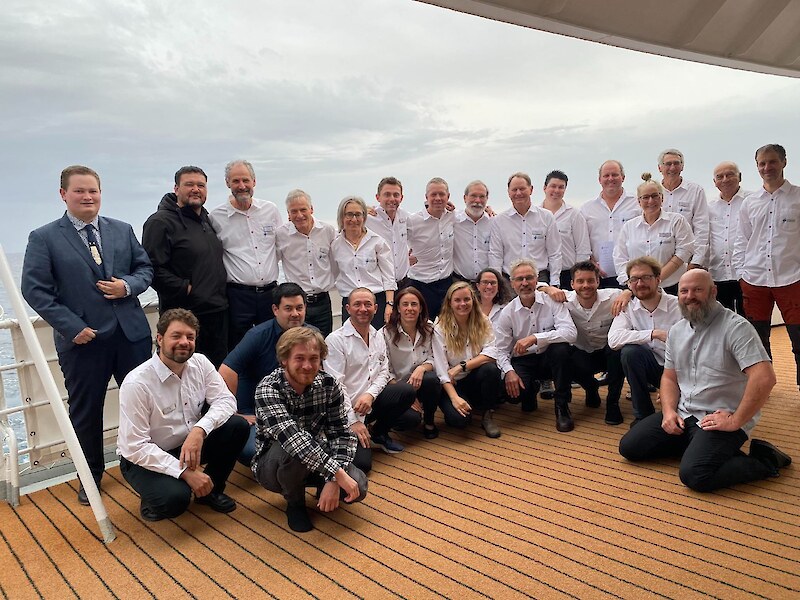
“The Heritage (Expeditions) Team on the Adventurer were very professional, supportive of our science work, and I would like to thank them for their commitment in making the trip possible,” said Karlee Nicholas (Hokonui) of his time onboard.Image taken of the crew on the deck of the Heritage AdventurerImage taken of the crew on the deck of the Heritage Adventurer

Nathan Russ, Heritage Adventurer Operations Manager for the January 2024 voyage comments that, “it was our pleasure to host the Murihiku Regeneration team onboard. The passengers and crew enjoyed the opportunity to share and learn from them as they went about their work.”

As a result of the expedition, project and expedition reporting will be completed and shared with others, and thinking will occur around the next projects and expedition work that will be completed as a part of the Murihiku ki te Tonga Programme.

“The work we have done on the Subantarctic Islands where we landed will be invaluable. We are looking to pull together a comprehensive framework of information that will reference and inform future projects on these islands,” said Riki Parata about the cultural assessments completed so far.

Photos taken by Colin AitchisonPhotos taken by Colin Aitchison

“This is just the start of our work. The cultural assessment work, the marine mammal research and building up our capability; it will all help to develop this research programme into something that will make a big difference for us,” said Riki Nicholas, the Murihiku Ki Te Tonga Programme Director.

Posted: 9 February 2024

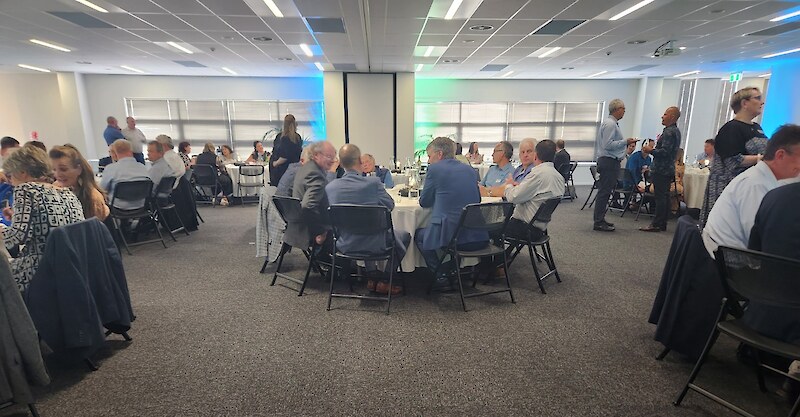
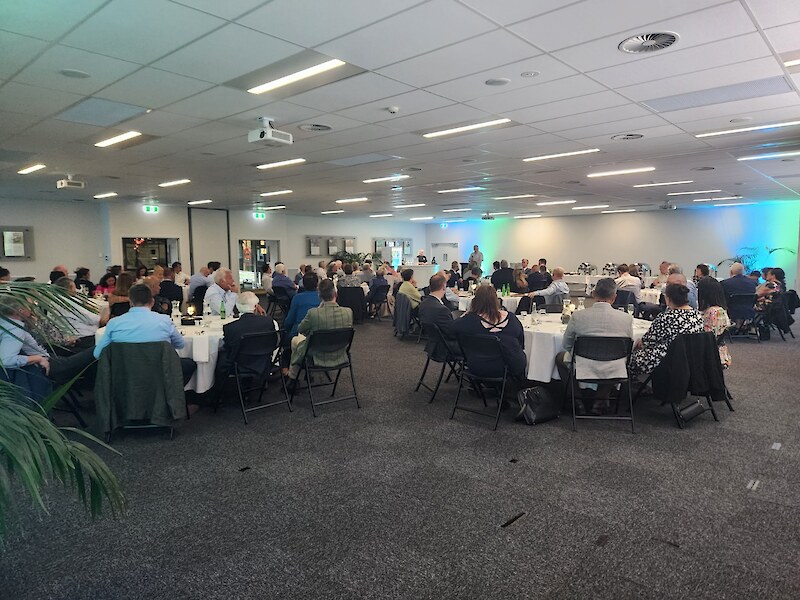
5th February Murihiku Regeneration regional development event a hit

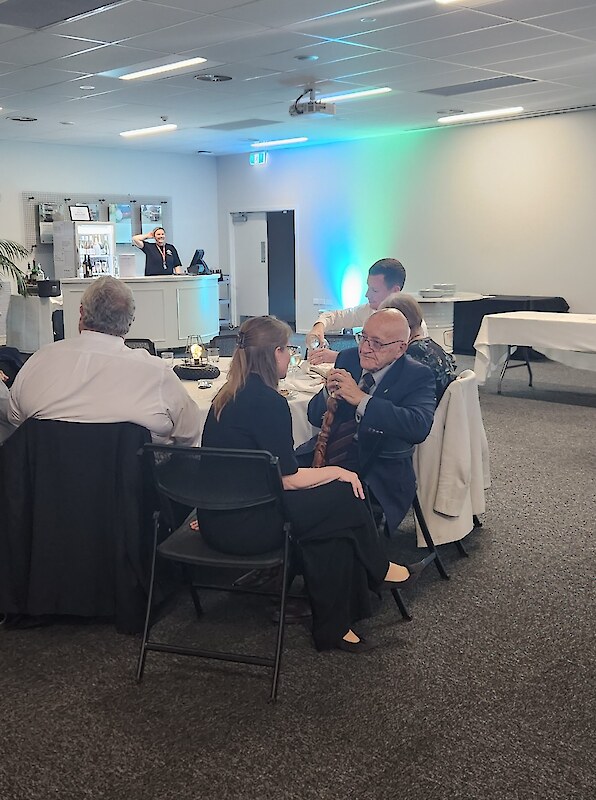
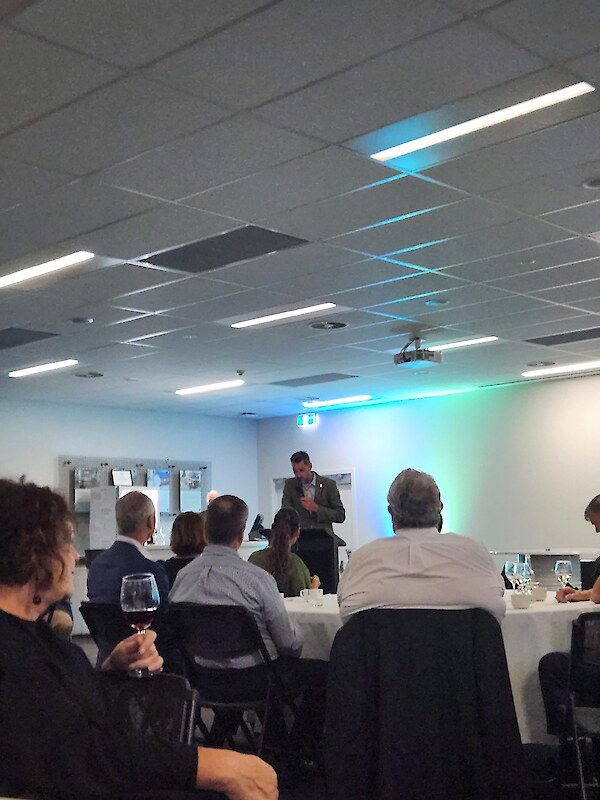
A pre-Waitangi Day regional development dinner hosted by Murihiku Upoko on 5 February at Transport World in Invercargill was attended by over 90 representatives from a diverse range of international, national, regional, community and iwi organisations. The event organised by Murihiku Regeneration aimed at connecting these organisations, developing relationships and demonstrating the huge regional development opportunities in front of the region over next year.

Terry Nicholas, Murihiku Regeneration Portfolio Director and Hokonui Upoko spent several minutes welcoming and introducing the various people, organisations and projects opportunities that were present in the audience at the event.

“The long introductions themselves spoke volumes on the level of interconnectivity and possibilities, and key individuals that could be realised and turned into action.”

“We particularly wanted to share a warm welcome to everyone that came to our regional development dinner, and then turned up at a wet, but very positive Waitangi Day commemorations at Te Rau Aroha Marae in Bluff. There is nothing like the community and stakeholders seeing partnership in action at both events, and what can be achieved when we work together for the benefit of the whole community”, said Terry Nicholas.

“Guests included, the Deputy German Ambassador – Winnie Switakowski, the Rt Hon Gerry Brownlee - Speaker of the House of Parliament, local MP- Hon Penny Simmonds, Joseph Mooney, other MPs, Murihiku Mayors, Local Council Chief Executives, and Government Agency representatives, Regional Agency Leaders, overseas guests from Rio Tinto, Woodside Energy, Mitsui & Co, as well as NZ generators – Meridian and Contact Energy, also NZ Inc companies such as HWR Richardson, Whiore, Hiringa and Heritage Expeditions -just to name a few”.

We were also pleased to see a number of senior Murihiku and Ngāi Tahu leaders attending. These included Upoko o Awarua Ta Tipene O’Regan and Lady Sandra O’Regan, Michael Skerrett, Barry Bragg -the new Chair of Awarua Rūnaka. Also, the senior representatives from Te Rūnanga o Ngai Tahu – including the new Kaiwhakahaere – Justin Tipa, Tribal CEO Arihia Bennett, and her leadership team, “ said Dr Michael Stevens Awarua Representative and Murihiku Regeneration governor.Winnie Switakowski the Deputy German Ambassador and Ta Tipene O’Regan the Awarua UpokoWinnie Switakowski the Deputy German Ambassador and Ta Tipene O’Regan the Awarua Upoko

“The event demonstrated that Murihiku Regeneration has established unwavering relationships at a community, regional, political, and international level. All looking at the multiples of economic opportunities that contribute to the welfare of our communities”.

“Our approach has been to look at acting regionally, but to work in the national interest. We are looking to support all levels of our involvement – from an Iwi, Hapū, and also the Community we are a part of. “

“Our focus has been to build and encourage intergenerational capability and capacity – looking at key areas of intervention that align with our four Ngāi Tahu values” confirmed Terry Nicholas during his introductory remarks.

At the event we shared some of the projects of importance for 2024 and beyond. These included:

  • Retaining the Tiwai Smelter in the longer term, but also creating a wider industrial base that grows the regional and national economy and supports decarbonisation out beyond 2040.
  • The Southern Green Energy project (SGH) consisting of outstanding commercial partners, Mitsui a century old Japanese trading house, Meridian Energy one of NZ big power generators, Hokonui Rūnanga & Ngai Tahu, and Woodside Energy. The partners see SGH as one of the most exciting projects in their portfolio to be in operation by 2030. This will support rapid decarbonisation for export and domestic use.
  • The opportunity to leverage efforts in the energy transition around hydrogen fuels for marine and land based heavy transport in Southland – including a refuelling network, with efforts already underway by HW Richardson and Hiringa Energy through their own projects.
  • Windfarm developments happening in the Murihiku regions by both Contact and Mercury Energy with the potential for further projects that will create jobs, innovation and support social infrastructure developments.
  • A partnership with Whiore (link to Whiore story) is an area where the exciting opportunities that exist in the Blue Economy will be rapidly examined - including large scale aquaculture projects, innovative approaches around seaweed and high value marine stocks.
  • Our own Murihiku ki te Tonga -Southern Ocean Research and Innovation Programme - to protect both Ngāi Tahu rights and interests, but also contribute to climate, biodiversity, sustainability and commercial challenges and opportunities that will be vitally important over the next 10 years.
  • Our vocational pathway planning and capacity programme that is looking to support our community rangatahi, our current and future workforce into the jobs and opportunities that will be needed to meet the opportunities that need to be developed to address critical gaps in our workforce capability.

The event highlighted that Murihiku-Southland, as identified by both international and NZ entities, has the biggest opportunity in New Zealand for new power generation, to grow its productive base and continue to contribute to the NZ GNP (Gross National Product) that punches its weight well in excess of its relative population size.

“We want to be in the best position in the world, so this work being led by Murihiku Regeneration is exciting and compelling.

“We are looking for partners and innovators who share our intent to be a part of a collective journey and work with us in the coalition of the willing” stated Terry Nicholas to conclude his remarks.

Dr Michael Stevens closed the event with a powerful and reflective speech that looked to the recent past, on why Ngāi Tahu action and involvement in regional development initiatives like Murihiku Regeneration are so important to the our future.

Posted: 9 February 2024

Signing of Key Blue Economy Relationship Agreement between Murihiku Regeneration and Whiore to Progress Ngāi Tahu Blue Economy Projects

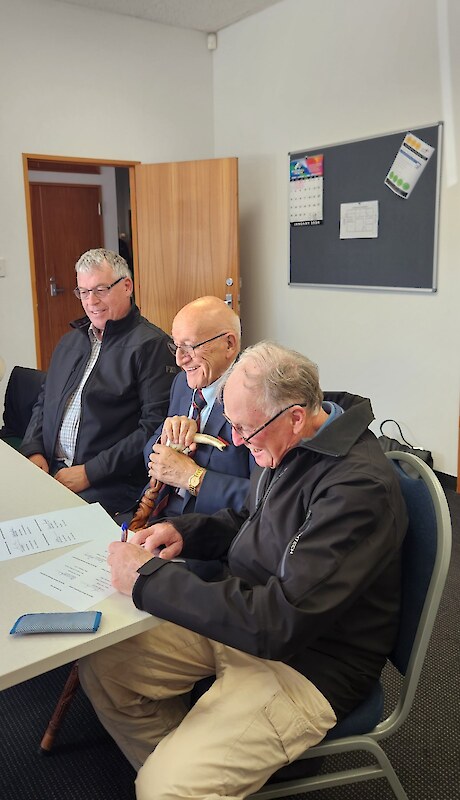
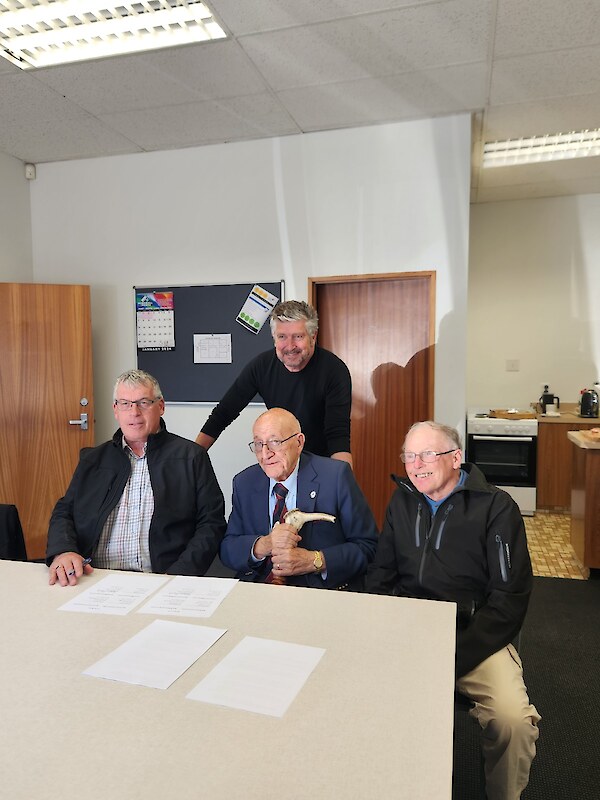
From left to right: Terry Nicholas, Tā Tipene O’Regan and Graham Kitson.From left to right: Terry Nicholas, Tā Tipene O’Regan and Graham Kitson.Murihiku Upoko – Ta Tipene O’Regan (Awarua) and Terry Nicholas (Hokonui) today signed a reltionship agreement with Graham Kitson, the Chair and Alan Groves, the Chief Executive of Whiore to set out a framework to progress key projects in the Murihiku-Southland region to support regional development, create jobs and contribute to vital decarboniation and climate response efforts.

Terry Nicholas, Tā Tipene O’Regan, Alan Groves and Graham Kitson signing the relationship agreement.Terry Nicholas, Tā Tipene O’Regan, Alan Groves and Graham Kitson signing the relationship agreement.The 7 February 2024 workshop and signing ceremony represents a significant step forward towards realising a range of projects that have the potential to create significant local and regional opportunities for Murihiku Hapū and the local community. The signing was able to progress after visits and discussions with locals, and will build on research, innovation and developments already being progressed by Whiore and Murihiku Regeneration.

“This agreement is us signalling that we will be looking to get in place some initial projects that the whole community - especially those already involved in the fishing and aquaculture industry in the region. We aim to start with practical and sensible projects that will build on existing capabilities, experience and knowledge”, said Terry Nicholas, Portfolio Director for Murihiku Regeneration.

“One of the really exciting opportunities is for us to further build up a pipeline of job and learning pathways for Ngāi Tahu rangatahi and those interested in a local career opportunities in the blue economy”.

“The value and opportunity to create intergenerational benefit is right in front of us, “ said Alan Groves, Whiore CEO.

Both parties have agreed to create an establishment project, put in place the business and investment case for implementation of a first delivery project for later in 2024.

Posted: 7 February 2024

Murihiku Team Continues Killer Whale Research Programme

Curious Antarctic Type-C killer whales head towards the Murihiku zodiac (far left) to have a look at their visitors. Photo: Colin AitchisonCurious Antarctic Type-C killer whales head towards the Murihiku zodiac (far left) to have a look at their visitors. Photo: Colin Aitchison

Kākahi-killer whales hunt prey as varied as fish, penguins, seals, and minke whales, and are the top predators of the ocean. The fish-eating Type-C Antarctic killer whale (TCKW) is a designated focal species for research in the Ross Sea Region Marine Protected Area (MPA). The reason for this special attention is that the Ross Sea fishery is potentially competing with TCKW for Antarctic toothfish (Dissostichus mawsoni), a large, high-fat fish thought to be a favourite food for killer whales, Weddell seals, and parāoa in the Ross Sea region.

Operating in a zodiac provided by Heritage Expeditions, the Murihiku Team had the opportunity to come face to face with the killer whales like this magnificent adult male. Photo: Regina EisertOperating in a zodiac provided by Heritage Expeditions, the Murihiku Team had the opportunity to come face to face with the killer whales like this magnificent adult male. Photo: Regina Eisert

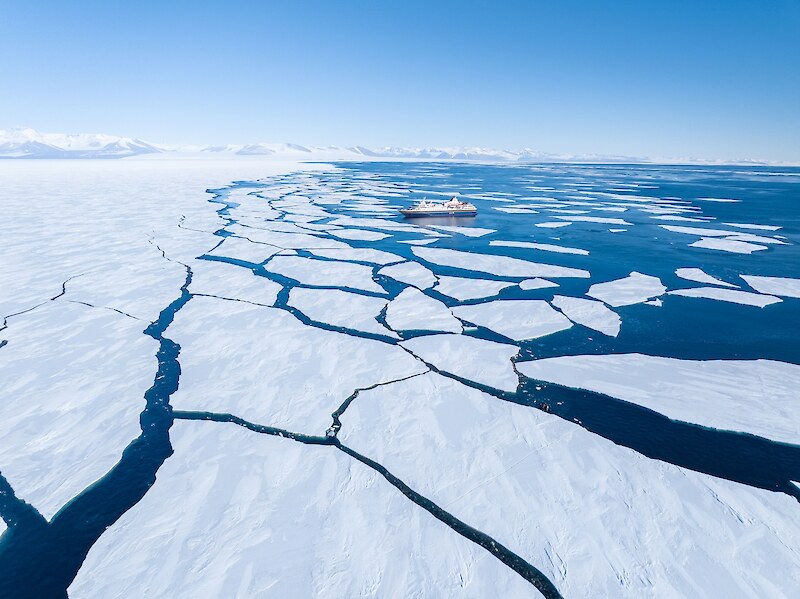
Following the retreating sea ice south on the Heritage Adventurer, this week the Murihiku Expedition team reached McMurdo Sound, a known hotspot for Antarctic killer whales (Orcinus orca). In 2013, Murihiku ki Te Tonga Science Lead Dr Regina Eisert started the first Antarctic killer whale research programme in and for the Ross Sea region MPA to find out what the whales eat, how many there are, and how and when they move between the Ross Sea and New Zealand. To find out, killer whales are photographed to uniquely identify individuals (photo-ID), and their behaviour is observed from the air and with underwater cameras. Photo-ID allows tracking of whale movements when they are re-sighted in New Zealand waters or as far north as Australia.
As part of the scientific research programme, killer whales are filmed underwater. Here they are having a closer look at the underside of the zodiac. Photo: Murihiku ki Te TongaAs part of the scientific research programme, killer whales are filmed underwater. Here they are having a closer look at the underside of the zodiac. Photo: Murihiku ki Te Tonga

Field work on the Ross Sea killer whales was interrupted in 2020, but the programme was successfully re-launched during the inaugural Murihiku ki Te Tonga expedition in February 2023. Zodiac support provided by Heritage Expeditions allowed the Murihiku Team to move effortlessly among the ice floes and study the whales up close using underwater video and a small drone.

Although it is not clear who studied whom, as one group of whales after another made a beeline for the zodiac and gave it a thorough inspection. Access to boat support is a new capability for the Antarctic killer whale research programme and gives a fantastic boost to the scientific work.

Type-C killer whales are distinguished from other killer whales by their distinctive narrow, upward-sloping eye patches. This type is at home in the icy waters of the southern Ross Sea but also visits New Zealand. Photo: Regina EisertType-C killer whales are distinguished from other killer whales by their distinctive narrow, upward-sloping eye patches. This type is at home in the icy waters of the southern Ross Sea but also visits New Zealand. Photo: Regina Eisert

Posted: 27 January 2024

Prev page
Page 9 of 42
Next page

Also in this section

Pānui updates Photos
  • News
    • Pānui updates
    • Photos

© 2026 Hokonui Rūnanga • Website by RS

Facebook
  • Home
  • About us
    • Who we are
    • Murihiku Regeneration
      • Structure and context
      • Office of Upoko
    • Property assets
    • Find us
    • Job vacancies
  • Our history
    • Our whakapapa - a deep connection to this place
    • Wai and Whakapapa
    • The Battle of Waitaramea
    • Poupoutunoa and Kauwaewhakatoro
    • Two Rivers: Mataura (Mata Ura) and Clutha (Mata Au)
      • Mata Ura - Mataura River
      • Mata Au - Clutha River
  • Events & key dates
    • Energy, Infrastructure and Opportunities Wānanga 2026
    • Energy and Innovation Wānanga 2024
    • Energy and Innovation Expo 2023
      • He Ao Hou - New Futures Murihiku 22 May
      • Live Streaming of Wānanga 23 and 24 May
      • Hosts and Key Speakers 23-24 May
      • Energy and Innovation presentations - 23 May
        • Opening Addresses
        • Global Session
        • Empowering partnerships: government's role in Aotearoa's energy transition
        • Climate Economics
        • Regional Infrastructure
        • Social regeneration and innovation
        • Regional Innovation
        • The importance of the Māori economy through this change
      • Energy and Innovation presentations - 24 May
        • Regional Leadership Panel
        • Regional Plans and Priorities
        • Southern Green Hydrogen
        • Tiwai Smelter Future
        • Southland Aquaculture
        • Regional Case Studies: Decarbonisation
        • Innovation and Bluff Re-imagining
        • Confirming Priorities: wrap-up and closing
    • Science and Innovation Wānanga 2021
    • He Ao Hou - New Futures Murihiku Teacher PD Day
  • Education & training
    • Education - Hokonui Rohe Team
    • Te Ara Aukati Kore - Education, Training, and Capability
      • Kia Tū Pathway Planning Programme
        • Kia Tū in schools
        • Kia Tū Tertiary Pathway Programme
        • Meet Your Kaiako - SIT Campus
      • Anamata Māia: Bold, Confident Futures Service
        • Our Kaimahi - Staff
      • Penapena Ā Kura: School Attendance Service
      • Te Aka Whai Mahi: Find Your Path
      • He Ao Hou: New Futures Murihiku
    • Have your say!
  • Environment
    • Kaupapa Taiao - Hokonui Floriculture
    • Taonga Research
      • Kanakana Research
      • Our research partners
    • Southern Ocean - Murihiku ki te Tonga
    • Energy Transition Programme
      • Regional Energy Action Plan - Towards 2030
      • Energy Transition Plan for Murihiku-Southland
      • Hydrogen and Green Energy
      • Tiwai Point
    • Te Tapu o Tāne
    • Our Kaimahi - Staff
  • Health & wellbeing
    • Whānau Ora Navigators
    • Community youth worker and advocacy service
    • Hokonui Community-Led Health
    • Kaumatua Health Days
    • Te Kakano - Nurse-led Clinics
    • Our Kaimahi - Staff
    • Hokonui Takiwā Health and Wellbeing Village of Support
    • Referral form
    • COVID-19
  • News
    • Pānui updates
    • Photos
  • Contact us
    • Register
  • Facebook
  • Search...