Hokonui Rūnanga Register
  • About us
    • Who we are
    • Murihiku Regeneration
    • Property assets
    • Find us
    • Job vacancies
  • Our history
    • Our whakapapa - a deep connection to this place
    • Wai and Whakapapa
    • The Battle of Waitaramea
    • Poupoutunoa and Kauwaewhakatoro
    • Two Rivers: Mataura (Mata Ura) and Clutha (Mata Au)
  • Events & key dates
    • Energy, Infrastructure and Opportunities Wānanga 2026
    • Energy and Innovation Wānanga 2024
    • Energy and Innovation Expo 2023
    • Science and Innovation Wānanga 2021
    • He Ao Hou - New Futures Murihiku Teacher PD Day
  • Education & training
    • Education - Hokonui Rohe Team
    • Te Ara Aukati Kore - Education, Training, and Capability
    • Have your say!
  • Environment
    • Kaupapa Taiao - Hokonui Floriculture
    • Taonga Research
    • Southern Ocean - Murihiku ki te Tonga
    • Energy Transition Programme
    • Te Tapu o Tāne
    • Our Kaimahi - Staff
  • Health & wellbeing
    • Whānau Ora Navigators
    • Community youth worker and advocacy service
    • Hokonui Community-Led Health
    • Kaumatua Health Days
    • Te Kakano - Nurse-led Clinics
    • Our Kaimahi - Staff
    • Hokonui Takiwā Health and Wellbeing Village of Support
    • Referral form
    • COVID-19
  • News
    • Pānui updates
    • Photos
  • Contact us
    • Register
  1. Home
  2. News

News

Release of Murihiku Regeneration high level energy transition plan for Southland

Murihiku Regeneration has released its high level energy transition plan for Murihiku-Southland for implementation from 2024 as one of the key regional priorities for action. The high level plan identifies that Murihiku-Southland is better placed than most other regions in New Zealand to leverage and accelerate the energy transition to support a regenerative economy based around the four Ngai Tahu pou.

In order to deliver on a plan of this nature, it will require leadership, courage and commitment, good coordination and alignment, and setting of clear priorities to successfully deliver it,” says Terry Nicholas, the Energy Transition Programme Lead.

“Some of the key considerations identified around the plan is that any national level Energy Strategy will not be in place in time to direct effort. There is currently no plan in place to support this energy transition for Murihiku - Southland”, says Ta Tipene O’Regan.

One of the major issues identified in the plan is the need for certainty around Tiwai Smelter beyond 2024. This remains a critical enabler, which shapes to energy transition. It also identifies that resourcing and funding for new energy and supporting infrastructure remains limited and spread thin. The cost of developing a regenerative economy remains a significant barrier to implementation.

“We know that Industry and developers are looking for certainty before they can fully commit, and we need to assist around the regulatory and planning framework with 30 year infrastructure plans,” says Terry Nicholas.

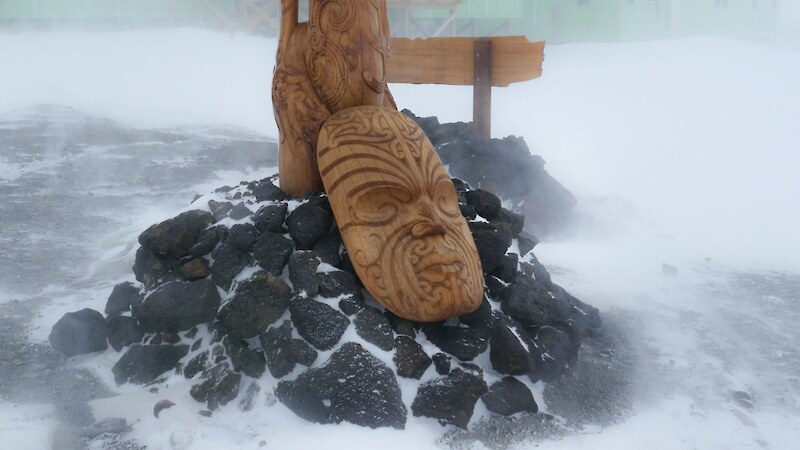
The plan has been developed through working with government, industrial users, developers, generators and the community.Image taken by Anthony Powell at Scott Base of the Pouwhenua at the entrance of Scott BaseImage taken by Anthony Powell at Scott Base of the Pouwhenua at the entrance of Scott Base
Key Challenges

The plan highlights some of the following key challenges:

  1. Lack of certainty around the Tiwai Smelter continuing to operate beyond 2024. There is key risk is that key New Zealand decisionmakers believe a long term future deal to keep the Smelter open is a fait accompli. From our engagements, this is far from certain, and needs to be a priority for action for the key parties involved in the discussion.
  1. Filling key infrastructure enabling ‘gaps’ through a Regional Infrastructure Plan:
  • the need for regional leadership and collaboration;
  • an enabling policy and regulatory framework;
  • the lack of infrastructure and support;
  • accelerating uptake (new supply and demand projects);
  • the need to support innovation through research and development; and
  • establishing an enabling environment for investment (currently too costly)

Proposed Action Areas:

Murihiku Regeneration has developed its energy transition plan to respond to these key challenges. It identifies actions as follows:

  1. Gain and support certainty on Tiwai Smelter- Murihiku Regeneration working with NZAS/ Rio Tinto, regional leaders (including the EoG), and the community to aim towards a long-term solution to 2040; or begin closure planning from February 2024.
  2. Establish a proactive and necessary policy and consenting approach to support the Energy Transition by:

i. Pushing for the establishment of a Murihiku-Southland Renewable Energy and Industry Zone (REZ) or similar concept that provides certainty, allows for coordination and alignment, and supports longer term investment decisions.

ii. Put in place a regional energy transitions leadership group to support the REZ and other initiatives.

iii. Work with local councils to develop a ‘consenting taskforce’ to respond to regional energy project priorities to remove barriers and speed up consenting and planning decisions.

  • Support Innovation and accelerate uptake by:

i. Leveraging from the HWR Group dual fuel initiative, Southern Airports Pilot Project, and regional hydrogen transition initiative to establish a Murihiku ‘renewable energy hub’ that supports the early adoption of aviation and heavy transport decarbonisation.

  • Developing a research, science and innovation programme that enables the energy transition.

iii. Exploring scalable commercial CO2 capture for SAF/ e-methanol applications, including using biomass innovation.

  • ​​​​​​​Supporting the Net Zero Rakiura 2030 initiative – by supporting the development of a plan in 2024, through the established Rakiura Project Group. This plan, once endorsed by community, can be presented to local and central government for consideration.
  • Support community and distributed energy innovation, projects and action.
  • Developing a Priority Workforce Plan for priority net zero trades. This will be undertaken through engagement with the sector and in conjunction with our Te Ara Aukati Kore workstream.

The plan is available to view or download here.

Posted: 16 November 2023
Community Meetings to Discuss Recent Tiwai Smelter Environmental Monitoring Reports

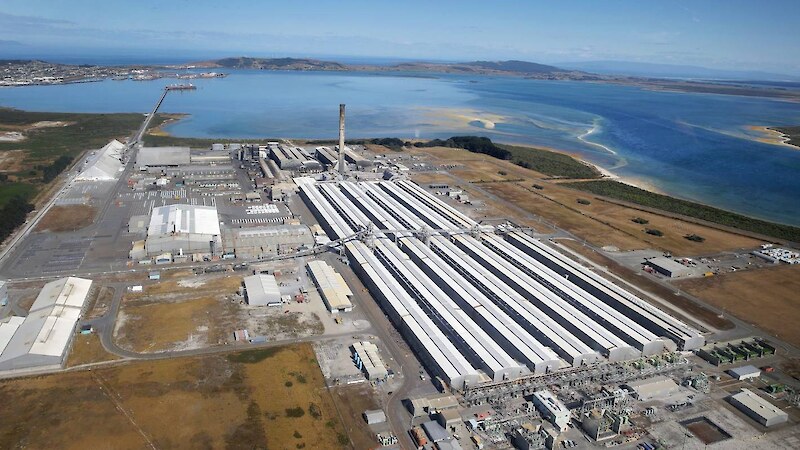
Environment Southland have released its own independent environmental monitoring report around the situation at the Tiwai Aluminium Smelter, operated by NZAS.

It follows a similar report released by Rio Tinto / NZAS last week, conducted by global engineering consultancy GHD.

Awarua Rūnaka has been a part of a joint working group with Rio Tinto and NZAS since 2022, to look at the development of an appropriate remediation strategy and plan. The two reports completed by NZAS and Environment Southland will help with that process.

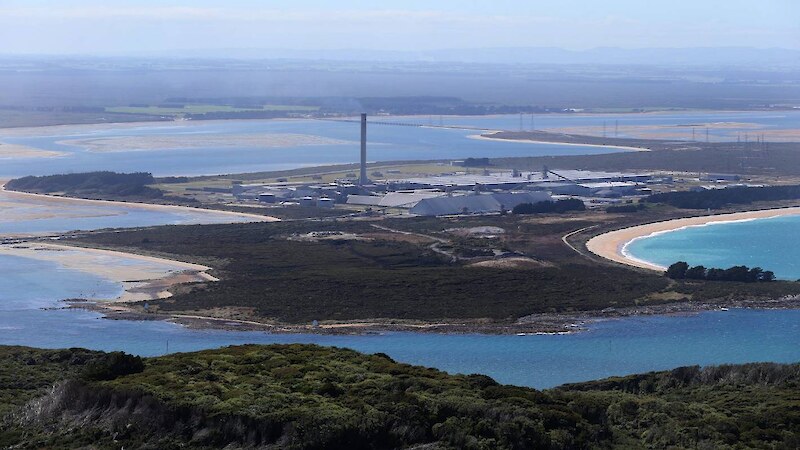
Image provided from Stuff page https://www.stuff.co.nz/business/76144276/tiwai-point-aluminium-smelter-has-reassuring-start-to-2016-as-new-zealand-dollar-and-alumina-prices-fallImage provided from Stuff page https://www.stuff.co.nz/business/76144276/tiwai-point-aluminium-smelter-has-reassuring-start-to-2016-as-new-zealand-dollar-and-alumina-prices-fall

There is an opportunity for the community to find out more about this siutation.

Two community forums are planned to enable whanua and members of the community to find out more on these reports from NZAS Leaders, their environmental experts, and members of the Joint working Group.

  • Invercargill: Tuesday 21 November at Transport World, 491 Tay Street from 5.30-7pm
  • Awarua: Wednesday 22 November at te Rau Aroha Marae, 8 Bradshaw Street Bluff, from 5.30-7pm

Key findings of the Environment Southland EHS Report:

Key findings from EHS Support’s independent monitoring of the coastal marine area surrounding Tiwai smelter site in early 2023 include:

  • Sources of contamination within operational areas of smelter have generated widespread groundwater contamination that is discharging into the coastal marine area.
  • The scale and nature of the contamination recorded is less than expected as the nature of the Bluff Harbour and Foveaux Strait receiving environments both attenuate contaminant discharges to varying degrees.
  • There are unlikely to be higher order or human health risks via contaminant bioaccumulation through the food chain. This determination requires further biological testing to provide a more affirmative conclusion.
  • The extent of the groundwater contamination plume discharging from the landfill to Foveaux Strait is extensive (approximately 1 km wide) with the effects from this discharge currently being assessed through the re-consenting process for the NZAS landfill.
  • Discharges of contaminants occur via the consented stormwater drains (above environmental screening values) posing potential chronic and at times acute effects to ecological receptors.
  • There are first flush stormwater discharges from the north drain that extend beyond the mixing zones at concentrations greater than environmental screening values and consented limits. Sediment and pore water concentrations above environmental screening values extend beyond the mixing zones of the north drain.
  • Groundwater discharges are occurring within the smelter domain and spent cell liner pad areas that exceed groundwater environmental screening values.
  • It is clear that concentrations exceed ecological screening values within the coastal marine area to the west of the landfill (in Bluff Harbour).
  • Soil contamination along select foreshore areas investigated recorded contaminant concentrations that could pose a potential terrestrial ecological risk (notably south and west drains, east landfill area, Inalco area, and spent cell pad area).
  • The consent stormwater sampling is potentially under reporting contaminant concentrations beyond the mixing zone during certain flow conditions and does not address sediment or pore water contamination within the drains and broader receiving environment.
  • Given the ease of public access to Bluff Harbour and the discharge points for the stormwater drains, measures should be implemented to warn the public.

[Note: We are asking NZAS to erect signage at the discharge points to alert the public of the industrial discharges.]

The full EHS report is available on the Environment Southland website.

The full GHD report is available on the NZAS website

Posted: 16 November 2023

Murihiku Ki Te Tonga programme at centre of new NIWA MoU

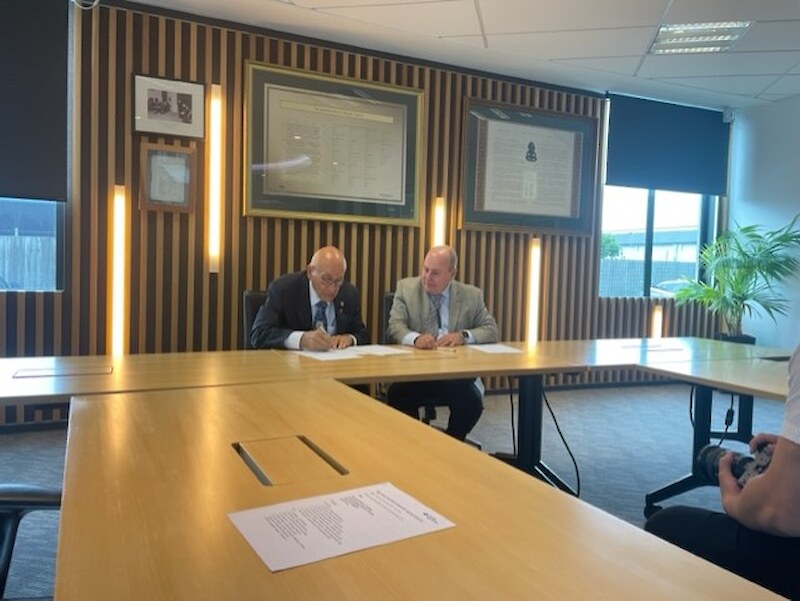
On Thursday 9 November, at Te Whare o Te Waipounamu in Otautahi Christchurch, Murihiku Upoko signed a new Memorandum of Understanding (MoU) with the Chief Executive of NIWA to signal an exciting new partnership and collaboration between the two organisations, centred around collaboration on projects within the Murihiku ki Te Tonga Programme. The signing ceremony was supported by senior leaders from both Murihiku Rūnaka, including the Te Taio Team from Hokonui Rūnanga and Oraka Aparima, and NIWA, and also from Murihiku Regeneration and Te Rūnanga o Ngai Tahu, who helped to facilitate the event.

The new MoU is focused around research, science and innovation projects. It will look to grow international partnerships, and bring together the collective capability, resources, knowledge and capacity to work together on projects that will make a difference to New Zealand. Importantly, the MoU also enables and supports interested Murihiku Rūnaka to also explore and connect in their own projects and opportunities and contribute to the regenerative and intergenerational focus of the Murihiku Regeneration kaupapa.Ta Tipene O’’Regan Upoko o Awarua Rūnaka and John Morgan, CEO of NIWA sign the MoU on 9 November, 2023.Ta Tipene O’’Regan Upoko o Awarua Rūnaka and John Morgan, CEO of NIWA sign the MoU on 9 November, 2023.

“The MoU acknowledges the vital importance that the southern ocean plays around all things related to Murihiku, for Ngai Tahu, and also Aotearoa more generally. As an ocean nation, the Ngai Tahu people must look to the sea and understand the changes that are occurring in our marine environments- both in terms of opportunities and threats. This includes looking at climate, biodiversity, sustainability and commerce”.

“ Our Ocean rights and interests within the NZ EEZ and our takiwā are enshrined and acknowledged within our treaty settlement, and we intend to be an active participate in this space, to support this rights and meet our obligations,” said Ta Tipene O’Regan as part of his opening remarks.

“We value the significance and importance of this MoU, and the ability to partner and work together to better understand our oceans, ” confirmed John Morgan, CEO of NIWA at the signing ceremony.

The MoU is focused on active projects around mutual areas of interest and focus. A number of projects (link to MKTT) within the Murihiku ki Te Tonga Programme have been identifed to activate the MoU, including support to our polar projects and expeditions, marine science and research proposals, and opportunities for education, training and internships.

“We want to grow interest and opportunities for our young people, and a pathway for our researchers and scientists in the marine space, and this MoU will help us with that. We will keep you updated on these projects and opportunities as they progress,” confirmed Terry Nicholas, Portfolio Director for Murihiku Regeneration.

Posted: 14 November 2023

NZ Aluminium smelter releases its latest Tiwai Environmental Monitoring report

On Friday 10 November, NZ Aluminium Smelter (NZAS) released its latest extensive environmental monitoring report on the impact of operations in the coastal marine area around Tiwai.

Murihiku Regeneration has been actively engaged with Rio Tinto and NZAS on both its remediation commitments, and the future operation of the Smelter. As a part of this work, a memorandum of understanding (MoU) was agreed in 2022 between Murihiku Rūnaka and Te Rūnanga o Ngāi Tahu and NZAS and Rio Tinto.

As a part of the remediation programme, Rio Tinto and Awarua Rūnaka have been working closely together over the last year to build a shared vision of remediation of the site.

An Advisory Group established under the MoU works to protect both Te Ao Tūroa (natural environment) and mahinga kai activities at or near Awarua/Tiwai peninsula coastal environment is engaged on this important work. Together with technical support from a joint Remediation Working Group, site specific remediation criteria have been co-designed with NZAS and Rio Tinto. A plan for the remediation of the onsite drain network is currently under development

The research, undertaken by global company GHD, has found a limited risk to marine ecology and no increased risk of health effects for people who come into contact with sediment and surface water or consume kai moana (sea food) in the surrounding coastal marine area. The report has confirmed the decision by the remediation working group – made up of representatives of Ngāi Tahu and NZAS - to focus on discharge from the drains as a key environmental impact that needs ongoing management. Both Murihiku Rūnaka and NZAS are working with Environment Southland, who have their own environmental reporting and monitoring programme. It is understood that its next round of reporting is due in the coming weeks.

In his statements on the release of the report, NZAS spokesperson, CEO Chris Blenkiron acknowledged that Tiwai is more than 50 years old, and its practices haven’t always met expectations but they are working hard to improve its environmental record. “In particular I was really pleased that the report found that there was no increased risk of health effects for people consuming kai moana from the surrounding coastal marine area. Food gathering from the ocean is incredibly significant to our Ngāi Tahu partners but also our wider community here in Southland”

Spokesperson for Ngāi Tahu, Jacqui Caine said, “Ngāi Tahu has welcomed the partnership with NZAS on remediating the whenua (land) and coastal environment around Tiwai Point. Protection of mahinga kai activities is of upmost importance to Awarua and Ngāi Tahu more broadly. It is reassuring to know that the kai moana in the harbour is safe to eat and that we can continue this important practice that we have done for several hundred years. We are really pleased with the progress made in developing a partnership with NZAS to remediate the site. The first remediation plan we are co-designing is for the drain network. The GHD report confirms we have focused in the right areas.”

Murihiku Regeneration is currently working with Rio Tinto around the future operation of the site, and believe that along with commitments to an agreed remediation plan, the Smelter should continue to operate in Murihiku-Southland for the benefit of the region. “We want see a future where Rio Tinto makes a long term commitment to ongoing smelter operations, and that other developers, new energy projects, and industries that include green hydrogen production also get established in Southland. We see this as a vital part of our energy transition”, confirms Terry Nicholas, Portfolio Director for Murihiku Regeneration and Upoko of Hokonui Rūnanga.

For a full copy of the report see www.nzas.co.nz/sustainability

Posted: 14 November 2023

Upoko Visit to Woodside New Energy HQ and First Nations Roundtable Meeting

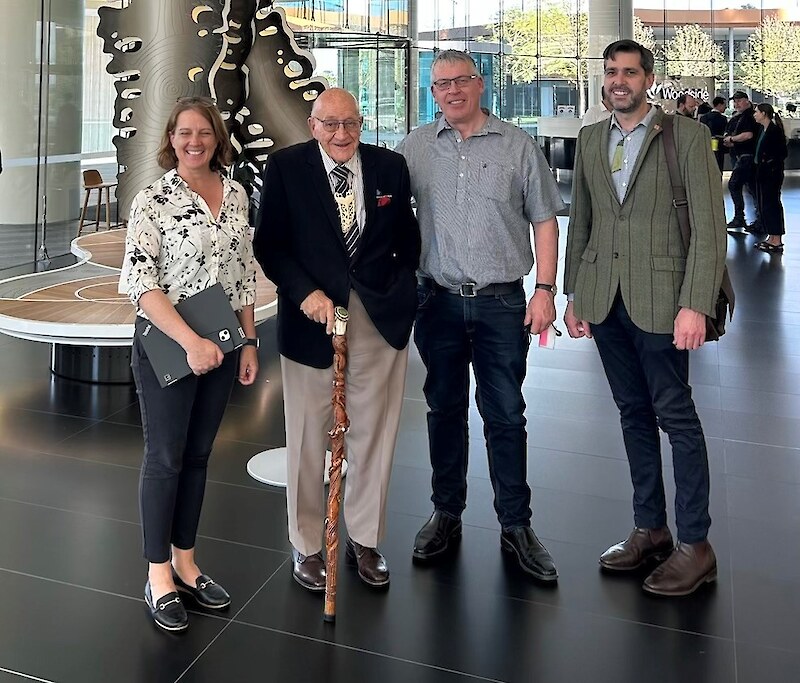
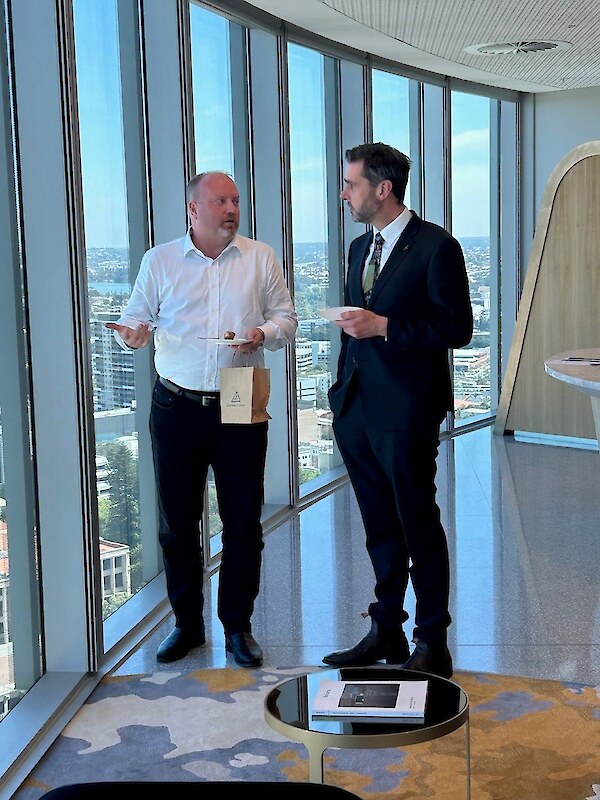
A delegation from Murihiku Regeneration led by Upoko o Awarua, Tā Tipene O’Regan and Upoko o Hokonui Rūnanga, Terry Nicholas, visited Woodside New Energy’s head office in Perth, Western Australia, to participate in a series of meetings and engagements between 15 and 19 October. The visit was supported by Dr Michael Stevens and Miria O’Regan.L-R: Catherine Rawsthorne, Project Manager, Woodside Energy, Tā Tipene, Terry Nicholas, and Mike Stevens arrive at Woodside’s headquarters.L-R: Catherine Rawsthorne, Project Manager, Woodside Energy, Tā Tipene, Terry Nicholas, and Mike Stevens arrive at Woodside’s headquarters.

Their visit had two main purposes. First, to help gain better understanding on the nature, extent, and potential challenges associated with the proposal to build a Green Ammonia plant at or near Awarua as a part of the Southern Gren Hydrogen Project.

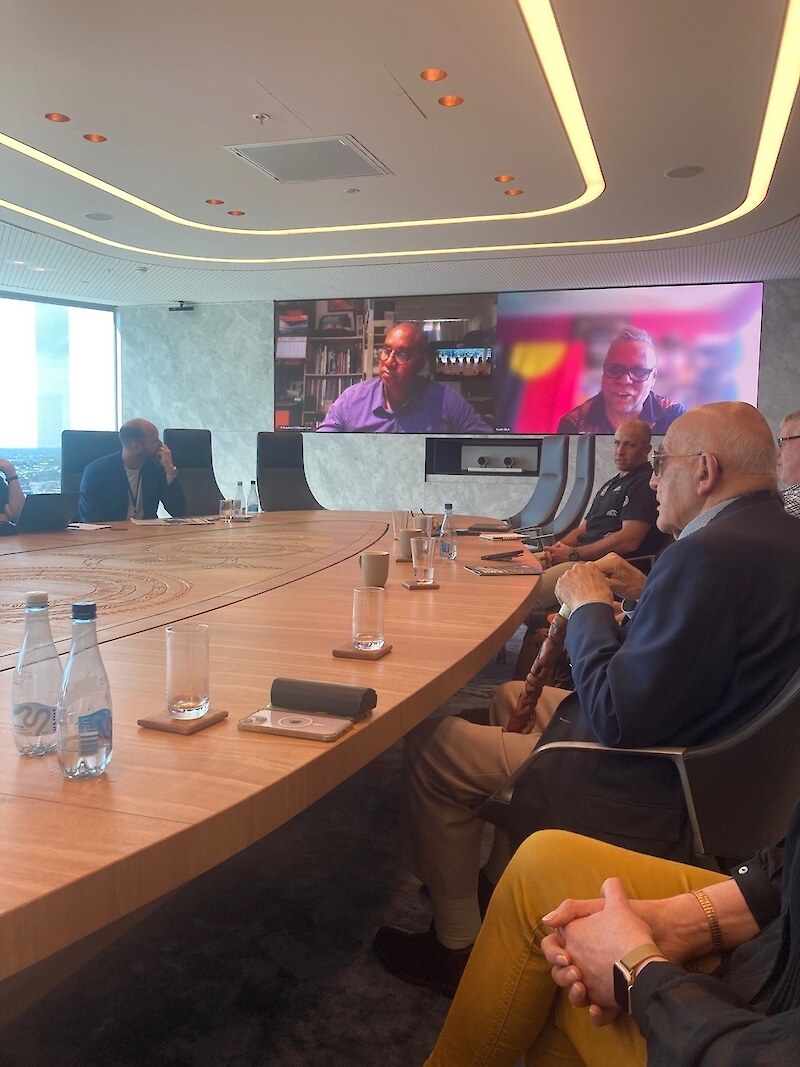
Secondly, to participate in a First Nations Advisory Roundtable in the immediate wake of the failed Australian Indigenous Voice Referendum. Although the negative result inevitably cast a shadow over proceedings, the Indigenous leaders were an impressive group of people and Woodside’s investment in reconciliation measures is admirable.Kōrero underway during the First Nations Advisory Roundtable.Kōrero underway during the First Nations Advisory Roundtable.

“This engagement is the latest in a series of interactions between Woodside and our iwi. A number of Woodside staff have visited Te Rūnanga o Ngāi Tahu as well southern Murihiku and Awarua over the last 18 months”.L-R: Jason Crusan, Vice President New Energy Solutions at Woodside Energy, and Mike Stevens in discussion at Woodside’s headquarters.L-R: Jason Crusan, Vice President New Energy Solutions at Woodside Energy, and Mike Stevens in discussion at Woodside’s headquarters.

“Terry Nicholas, in particular, has cultivated positive and constructive relationships with staff at further hui in Sydney and Japan. This all stems from efforts concerning the Tiwai Point aluminium smelter’s uncertain future and exploration of New Zealand’s decarbonisation options.”

We thank Arihia Bennett, Chief Executive of Te Rūnanga o Ngāi Tahu, for her early and sustained support with these kaupapa. We also thank Najette Alaraibi, Senior Advisor First Nations Relations at Woodside, for her excellent manaaki during the entire visit”, commented Dr Michael Stevens, reflecting on the visit.

It is expected that Woodside New Energy will look to follow up this engagement in Perth, with further hui, and reciprocal visits to Murihiku as the potential project develops.

Posted: 10 November 2023

Prev page
Page 11 of 42
Next page

Also in this section

Pānui updates Photos
  • News
    • Pānui updates
    • Photos

© 2026 Hokonui Rūnanga • Website by RS

Facebook
  • Home
  • About us
    • Who we are
    • Murihiku Regeneration
      • Structure and context
      • Office of Upoko
    • Property assets
    • Find us
    • Job vacancies
  • Our history
    • Our whakapapa - a deep connection to this place
    • Wai and Whakapapa
    • The Battle of Waitaramea
    • Poupoutunoa and Kauwaewhakatoro
    • Two Rivers: Mataura (Mata Ura) and Clutha (Mata Au)
      • Mata Ura - Mataura River
      • Mata Au - Clutha River
  • Events & key dates
    • Energy, Infrastructure and Opportunities Wānanga 2026
    • Energy and Innovation Wānanga 2024
    • Energy and Innovation Expo 2023
      • He Ao Hou - New Futures Murihiku 22 May
      • Live Streaming of Wānanga 23 and 24 May
      • Hosts and Key Speakers 23-24 May
      • Energy and Innovation presentations - 23 May
        • Opening Addresses
        • Global Session
        • Empowering partnerships: government's role in Aotearoa's energy transition
        • Climate Economics
        • Regional Infrastructure
        • Social regeneration and innovation
        • Regional Innovation
        • The importance of the Māori economy through this change
      • Energy and Innovation presentations - 24 May
        • Regional Leadership Panel
        • Regional Plans and Priorities
        • Southern Green Hydrogen
        • Tiwai Smelter Future
        • Southland Aquaculture
        • Regional Case Studies: Decarbonisation
        • Innovation and Bluff Re-imagining
        • Confirming Priorities: wrap-up and closing
    • Science and Innovation Wānanga 2021
    • He Ao Hou - New Futures Murihiku Teacher PD Day
  • Education & training
    • Education - Hokonui Rohe Team
    • Te Ara Aukati Kore - Education, Training, and Capability
      • Kia Tū Pathway Planning Programme
        • Kia Tū in schools
        • Kia Tū Tertiary Pathway Programme
        • Meet Your Kaiako - SIT Campus
      • Anamata Māia: Bold, Confident Futures Service
        • Our Kaimahi - Staff
      • Penapena Ā Kura: School Attendance Service
      • Te Aka Whai Mahi: Find Your Path
      • He Ao Hou: New Futures Murihiku
    • Have your say!
  • Environment
    • Kaupapa Taiao - Hokonui Floriculture
    • Taonga Research
      • Kanakana Research
      • Our research partners
    • Southern Ocean - Murihiku ki te Tonga
    • Energy Transition Programme
      • Regional Energy Action Plan - Towards 2030
      • Energy Transition Plan for Murihiku-Southland
      • Hydrogen and Green Energy
      • Tiwai Point
    • Te Tapu o Tāne
    • Our Kaimahi - Staff
  • Health & wellbeing
    • Whānau Ora Navigators
    • Community youth worker and advocacy service
    • Hokonui Community-Led Health
    • Kaumatua Health Days
    • Te Kakano - Nurse-led Clinics
    • Our Kaimahi - Staff
    • Hokonui Takiwā Health and Wellbeing Village of Support
    • Referral form
    • COVID-19
  • News
    • Pānui updates
    • Photos
  • Contact us
    • Register
  • Facebook
  • Search...