Hokonui Rūnanga Register
  • About us
    • Who we are
    • Murihiku Regeneration
    • Property assets
    • Find us
    • Job vacancies
  • Our history
    • Our whakapapa - a deep connection to this place
    • Wai and Whakapapa
    • The Battle of Waitaramea
    • Poupoutunoa and Kauwaewhakatoro
    • Two Rivers: Mataura (Mata Ura) and Clutha (Mata Au)
  • Events & key dates
    • Energy, Infrastructure and Opportunities Wānanga 2026
    • Energy and Innovation Wānanga 2024
    • Energy and Innovation Expo 2023
    • Science and Innovation Wānanga 2021
    • He Ao Hou - New Futures Murihiku Teacher PD Day
  • Education & training
    • Education - Hokonui Rohe Team
    • Te Ara Aukati Kore - Education, Training, and Capability
    • Have your say!
  • Environment
    • Kaupapa Taiao - Hokonui Floriculture
    • Taonga Research
    • Southern Ocean - Murihiku ki te Tonga
    • Energy Transition Programme
    • Te Tapu o Tāne
    • Our Kaimahi - Staff
  • Health & wellbeing
    • Whānau Ora Navigators
    • Community youth worker and advocacy service
    • Hokonui Community-Led Health
    • Kaumatua Health Days
    • Te Kakano - Nurse-led Clinics
    • Our Kaimahi - Staff
    • Hokonui Takiwā Health and Wellbeing Village of Support
    • Referral form
    • COVID-19
  • News
    • Pānui updates
    • Photos
  • Contact us
    • Register
  1. Home
  2. News

News

Tā Tipene O’Regan - Member of the Order of New Zealand for his services to Aotearoa

From article written by Jody O’Callaghan - Stuff

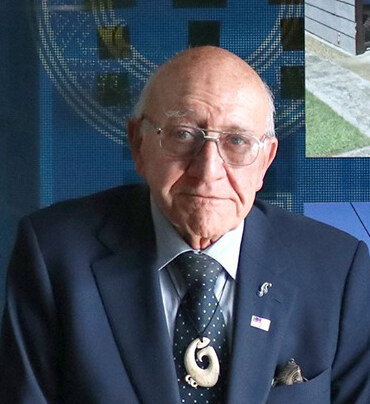
New Zealander of the Year – Tā Tipene O’Regan – can now add ONZ to his name, after receiving the highest of the country’s royal accolades.Tā Tipene O’ReganTā Tipene O’Regan

O’Regan has been named an additional Member of the Order of New Zealand in this year’s Queen’s Birthday and Platinum Jubilee Honours List for his services to Aotearoa.

He and fellow 2022 member Dame Silvia Cartwright join 25 existing members on the prestigious list.

The Ngāi Tahu kaumātua has worked “tirelessly throughout his life to improve the economic, cultural and social standing of Māori communities”, his award brief says.

O’Regan received a Knight Bachelorhood in 1994, even though he “wasn’t actually that keen on the idea” of the more British honour.

Just months after receiving the title of New Zealander of the Year, the news of receiving a “direct New Zealand honour” came as a “very substantial surprise”.

“It’s been an interesting year,” he said. “I relish it because it’s a very indigenous thing which still recognises the relationship I hope we will continue to have with the British.”

O’Regan was pivotal in bringing about the 1997 Ngāi Tahu Deed of Settlement and Ngāi Tahu Claims Settlement Act 1998.

He helped negotiate and shape legislative responses to Māori interests in fisheries, both commercial and non-commercial, and was the founding Chair of Te Ohu Kaimoana (Treaty of Waitangi Fisheries Commission).

The historian with a love of knowledge established the Ngāi Tahu Archive in 1978, was appointed upoko (head) of Te Runaka o Awarua in 1999, and has held numerous responsibilities on boards, universities and organisations.

After battling the Crown for many years for his iwi, Ngāi Tahu, and Māori in general, and now receiving the highest of Royal honours, he quotes anthropologist Marshall Stahlins, and a concept that “has been very important to me”.

“He said: ‘Indigenous people when adopting new ideas, concepts and technologies do so in order to become more like themselves’ … it’s not from a desire to be something else.”

But Māori evolution did not lack memory, or identity. “I’ve fostered that.”

He was grateful to have the things he had stood for, and the battles he had taken, acknowledged as having been a significant contribution to the nation’s evolution.

There would be a certain amount of family celebration, and “I’m pleased for our people”.

“You should always recognise if you’re leading the way as I have – you’ve got more battle scars on your back than your front.”

There was some way to go in the country’s evolution as a bi-cultural society, he said.

He hoped there was a “richer and more diverse culture, but which is nonetheless increasingly cohesive”.

The voice of discord in society might be more intense now than ever, “but it’s much smaller”, he said.

“I’ve been able to make a contribution to that, and I’m feeling very happy.”

Estelle Leask - New Zealand Order of Merit

From article written by Georgia Weaver - Stuff

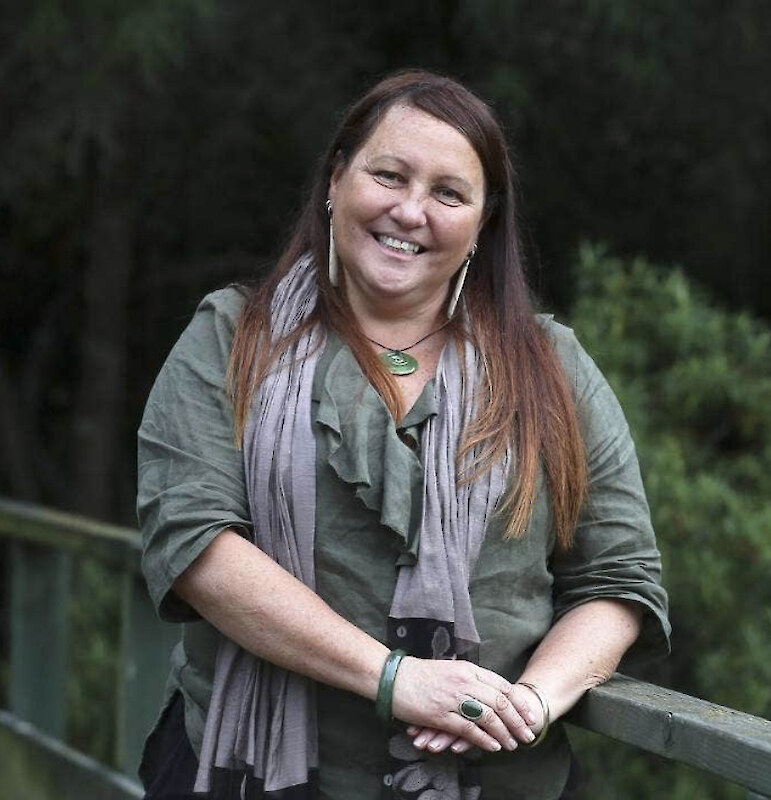
Estelle Leask’s love of conservation had led to her being named a Member of the New Zealand Order of Merit for services to conservation and Estelle Leask.Estelle Leask.Māori in this year’s Queen’s Birthday Honours.

When Estelle Leask began volunteering on Whenua Hou/Codfish Island more than 30 years ago, she was shocked to learn she was one of only a few Ngāi Tahu who had been there.

She couldn’t believe her people did not have access to their own island, so asked herself: “how can we change that?”

Now, partly thanks to her determination there is active co-management of the island between Iwi and the Crown.

Her love of conservation had led to her being named a Member of the New Zealand Order of Merit for services to conservation and Māori in this year’s Queen’s Birthday Honours.

Leask (Ngāi Tahu, Te Whakatāea, Ngāti Ruanui) says working with kākāpō on Whenua Hou is life-changing.

Her drive for the protection of the native parrot and other species is the explanation she wants to give future generations.

“I don’t want to be responsible on my watch to explain to the next generation ‘sorry, we couldn’t do it’. Especially iconic species like kiwi and kākāpo. How can we be Kiwi without kiwi?”

Growing up in Bluff with a mother from Rakiura and a father from Whakatāne, Leask learnt from an early age what being a kaitiaki meant.

“That realisation and sadness of losing native species because of pests.”

Leask also dedicates her time to Te Korawai Whakahau, a community-based facility and native plant nursery that is growing trees for the restoration of Bluff Hill.

The Jobs For Nature fund allowed them to employ young people to do the work.

“It’s been a game-changer for us - 30,000 trees have been grown and will go towards restoring the mana of Bluff Hill.”

It was important also to give birds a safe haven, she said.

Leask has had a lot of support from her husband, who encourages her to volunteer in the community.

Posted: 7 June 2022

How Hokonui Rūnanga are working to restore kanakana numbers

Article written by Louisa Steyl, reproduced from Stuff.

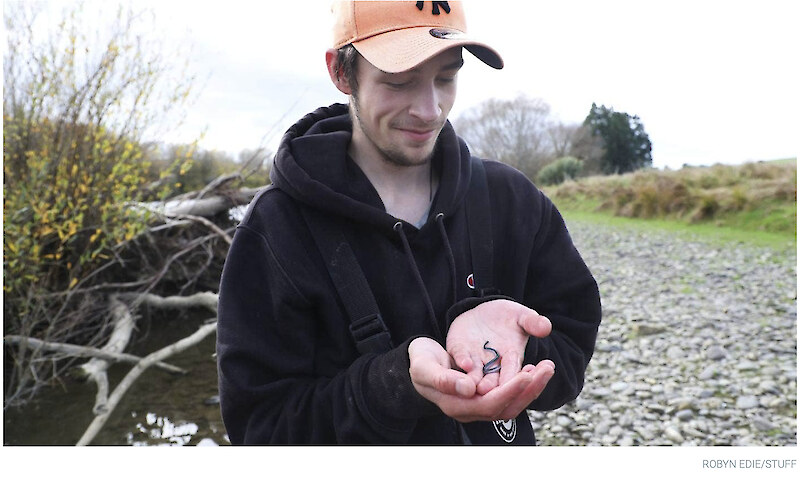
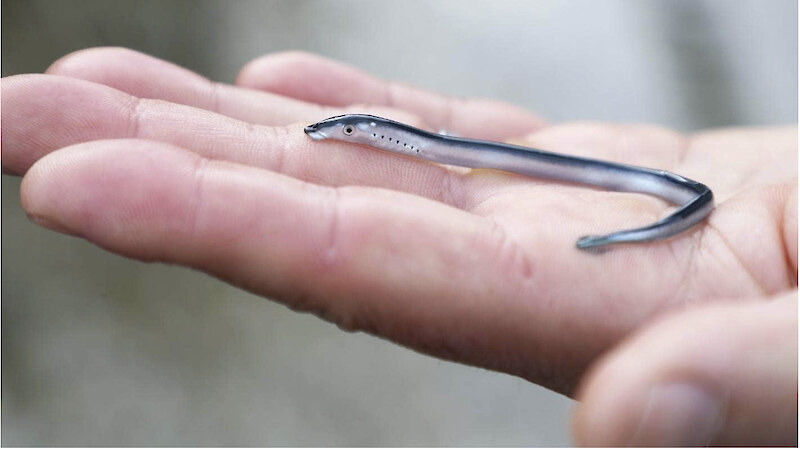
Cadet Josh Aitken was thrilled to find a Kanakana (pouched lamprey) during tuna eel monitoring on the Mataura River. The species is considered nationally vulnerable.Cadet Josh Aitken was thrilled to find a Kanakana (pouched lamprey) during tuna eel monitoring on the Mataura River. The species is considered nationally vulnerable.

“Look what I’ve caught,” young environmental cadet Josh Aitken shouts excitedly.

He is carrying out monitoring work on the Mataura River and has just caught a brilliant silver-blue juvenile kanakana (lamprey).

Freshwater ecologist Matt Dale beams as he inspects the tiny creature: “This is real special.”

He has never seen one upstream from Te Au-Nui (Mataura Falls) and says it means the work that Hokonui Rūnanga are doing to restore the river is working.

“It means they’re getting past the falls,” which look very different today, surrounded by industry.

The taonga species was once abundant throughout New Zealand and numbers were so great at the Mataura River, South Island Māori would travel from as far as Ōtautahi (Christchurch) come harvest time.

In the past, these pouched lamprey have been found as far north as Piano Flats – some 85km away from the falls.

But as the nutrient composition of the streams and tributaries they live in have changed and as habitats have been lost, kanakana have become a threatened species.Kanakana turn a silver-blue colour when they are ready to migrate out to sea where they live as parasites to marine mammals.Kanakana turn a silver-blue colour when they are ready to migrate out to sea where they live as parasites to marine mammals.

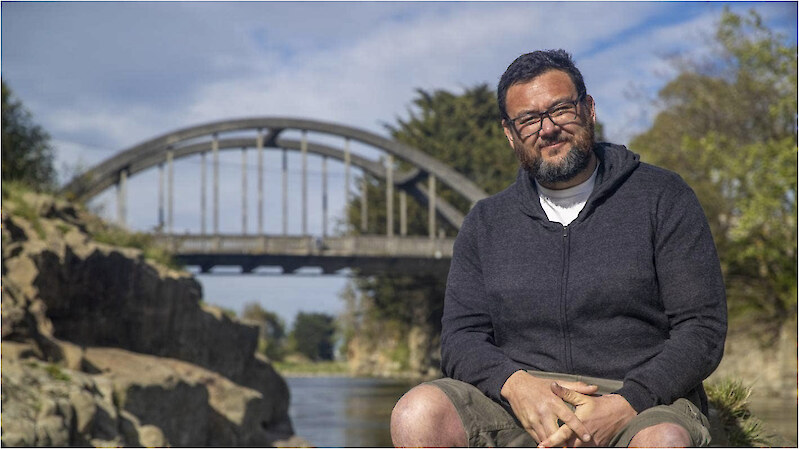
Hokonui Rūnanga Kaiārihi Taiao (Environmental Lead) Riki Parata could not say for sure that the mahi his team were doing was a direct contributor to the find.Hokonui Rūnanga Kaiārihi Taiao (Environmental Lead) Riki Parata says kanakana are one of those “secret species” that many people have not heard of. Scientists still have much to learn about them, he says.Hokonui Rūnanga Kaiārihi Taiao (Environmental Lead) Riki Parata says kanakana are one of those “secret species” that many people have not heard of. Scientists still have much to learn about them, he says.

“It’s an indication that we’re doing more intensive studies,” he said.

It has only been in the last few decades that numbers have dwindled, Parata said.

“I remember when I was a child, we used to catch sacks full.”

The Mataitai Reserve at Te Au-Nui was the first of its kind when it was established in 2006 and the rūnanga now have agreements with businesses either side of the falls to make sure the area is safe for kanakana.

The Taiao team are working with the National Institute of Water and Atmospheric Research and Alliance Group – which operates a plant on the river – to build a bridge for kanakana to help them move over the weir at the falls.

The species breed in freshwater, head out to sea as juveniles, and then return when it’s time to spawn.

Te Au-Nui used to be wide, but industry has narrowed the river at the falls, making it difficult for the kankana to get up.

In the meantime, Parata and some kaumātua have been going out physically plucking the lamprey off the falls and take them to the other side, he said.

“But we can’t be there all the time.”

For the past two years, it’s been trapping and transferring juvenile eels with the hope of having a permanent solution in place by next season.

In the next migration season, they will be tracking migrating tuna (eels) with microchips to see if they are going into the hydro turbines on the river – which will give the team an idea of the impact the weir is having on their migration patterns.

“They’re the ones that go out to sea to breed, and the babies come back up [the river] again. We’re involved in the whole cycle, trying to just maximise the numbers.”

The team have also been monitoring kanakana over the past two years.

Alliance Group general manager for manufacturing Willie Wiese said the group recognised that the Mataura River had significant cultural valued for Hokonui Rūnanga and Ngāi Tahu.

Monitoring the species in the river would help the group understand where it needed to focus efforts to reduce its impacts, he said.

“We have undertaken a significant amount of work with them in recent years, as well as the commencement of a Kaitiaki Plan to enable continued collaboration into the future,” Wiese said.

Posted: 23 May 2022

How Hokonui Rūnanga are working to restore kanakana numbers

Article written by Louisa Steyl, reproduced from Stuff.

“Look what I’ve caught,” young environmental cadet Josh Aitken shouts excitedly.Cadet Josh Aitken was thrilled to find a Kanakana (pouched lamprey) during tuna eel monitoring on the Mataura River. The species is considered nationally vulnerable.Cadet Josh Aitken was thrilled to find a Kanakana (pouched lamprey) during tuna eel monitoring on the Mataura River. The species is considered nationally vulnerable.

He is carrying out monitoring work on the Mataura River and has just caught a brilliant silver-blue juvenile kanakana (lamprey).

Freshwater ecologist Matt Dale beams as he inspects the tiny creature: “This is real special.”

He has never seen one upstream from Te Au-Nui (Mataura Falls) and says it means the work that Hokonui Rūnanga are doing to restore the river is working.

“It means they’re getting past the falls,” which look very different today, surrounded by industry.

The taonga species was once abundant throughout New Zealand and numbers were so great at the Mataura River, South Island Māori would travel from as far as Ōtautahi (Christchurch) come harvest time.

In the past, these pouched lamprey have been found as far north as Piano Flats – some 85km away from the falls.

But as the nutrient composition of the streams and tributaries they live in have changed and as habitats have been lost, kanakana have become a threatened species.Kanakana turn a silver-blue colour when they are ready to migrate out to sea where they live as parasites to marine mammals.Kanakana turn a silver-blue colour when they are ready to migrate out to sea where they live as parasites to marine mammals.

Hokonui Rūnanga Kaiārihi Taiao (Environmental Lead) Riki Parata could not say for sure that the mahi his team were doing was a direct contributor to the find.Hokonui Rūnanga Kaiārihi Taiao (Environmental Lead) Riki Parata says kanakana are one of those “secret species” that many people have not heard of. Scientists still have much to learn about them, he says.Hokonui Rūnanga Kaiārihi Taiao (Environmental Lead) Riki Parata says kanakana are one of those “secret species” that many people have not heard of. Scientists still have much to learn about them, he says.

“It’s an indication that we’re doing more intensive studies,” he said.

It has only been in the last few decades that numbers have dwindled, Parata said.

“I remember when I was a child, we used to catch sacks full.”

The Mataitai Reserve at Te Au-Nui was the first of its kind when it was established in 2006 and the rūnanga now have agreements with businesses either side of the falls to make sure the area is safe for kanakana.

The Taiao team are working with the National Institute of Water and Atmospheric Research and Alliance Group – which operates a plant on the river – to build a bridge for kanakana to help them move over the weir at the falls.

The species breed in freshwater, head out to sea as juveniles, and then return when it’s time to spawn.

Te Au-Nui used to be wide, but industry has narrowed the river at the falls, making it difficult for the kankana to get up.

In the meantime, Parata and some kaumātua have been going out physically plucking the lamprey off the falls and take them to the other side, he said.

“But we can’t be there all the time.”

For the past two years, it’s been trapping and transferring juvenile eels with the hope of having a permanent solution in place by next season.

In the next migration season, they will be tracking migrating tuna (eels) with microchips to see if they are going into the hydro turbines on the river – which will give the team an idea of the impact the weir is having on their migration patterns.

“They’re the ones that go out to sea to breed, and the babies come back up [the river] again. We’re involved in the whole cycle, trying to just maximise the numbers.”

The team have also been monitoring kanakana over the past two years.

Alliance Group general manager for manufacturing Willie Wiese said the group recognised that the Mataura River had significant cultural valued for Hokonui Rūnanga and Ngāi Tahu.

Monitoring the species in the river would help the group understand where it needed to focus efforts to reduce its impacts, he said.

“We have undertaken a significant amount of work with them in recent years, as well as the commencement of a Kaitiaki Plan to enable continued collaboration into the future,” Wiese said.

Posted: 23 May 2022

Te Tapu o Tāne to kickstart 100,000 tree planting project

On 16 May 2022 the Government announced its commitment to planting 100,000 trees around Aotearoa, in a new partnership with Project Crimson.

Project Crimson, the charitable trust responsible for nationwide planting project Trees that Count, recently hit the funding milestone of one million trees. In the month since, they raised enough for another 185,000.

Projects will be supported from the top of the North Island to the bottom of the South.

Leading the way will be Te Tapu o Tāne in Murihiku.

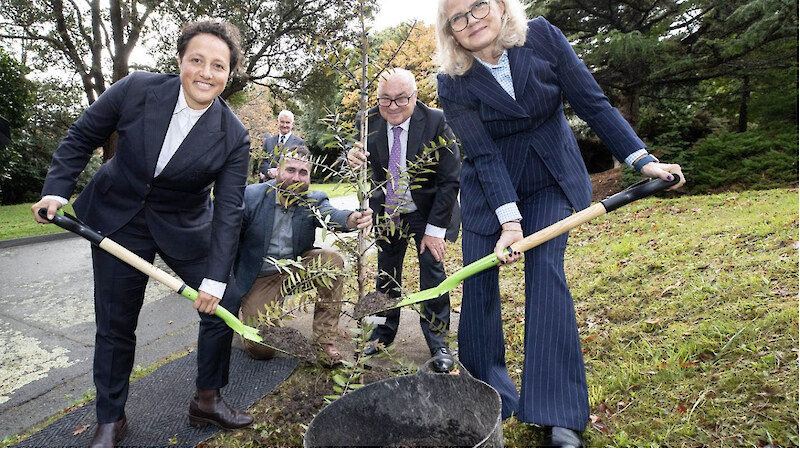
The Commemoration of the Queen’s Platinum Jubilee is marked at Government House with a ceremonial planting of a kauri tree by Minister of Conservation Kiri Allan, left, chief executive of Te Tapu o Tāne Jana Davis, Project Crimson chairman Joris De Bres and Chief Justice Helen Winkelmann on behalf of the Governor-General.The Commemoration of the Queen’s Platinum Jubilee is marked at Government House with a ceremonial planting of a kauri tree by Minister of Conservation Kiri Allan, left, chief executive of Te Tapu o Tāne Jana Davis, Project Crimson chairman Joris De Bres and Chief Justice Helen Winkelmann on behalf of the Governor-General.

Conservation Minister Kiri Allan said this planting would cover areas from “the tips of mountain tops, into urban areas and down through riparian planting – and that’s just in one small area”. Other projects include native trees being planted anywhere from farm land to existing forest landscapes.

Project Crimson chairperson Joris De Bres said the group particularly valued its relationships with iwi and community groups – those on the ground, with knowledge of the land, who were best placed to carry out the work. “We can’t plant them from here,” he said.

Find out more from Stuff.

Posted: 20 May 2022

Te Tapu o Tāne to kickstart 100,000 tree planting project

On 16 May 2022 the Government announced its commitment to planting 100,000 trees around Aotearoa, in a new partnership with Project Crimson.

Project Crimson, the charitable trust responsible for nationwide planting project Trees that Count, recently hit the funding milestone of one million trees. In the month since, they raised enough for another 185,000.

Projects will be supported from the top of the North Island to the bottom of the South.

Leading the way will be Te Tapu o Tāne in Murihiku.

The Commemoration of the Queen’s Platinum Jubilee is marked at Government House with a ceremonial planting of a kauri tree by Minister of Conservation Kiri Allan, left, chief executive of Te Tapu o Tāne Jana Davis, Project Crimson chairman Joris De Bres and Chief Justice Helen Winkelmann on behalf of the Governor-General.The Commemoration of the Queen’s Platinum Jubilee is marked at Government House with a ceremonial planting of a kauri tree by Minister of Conservation Kiri Allan, left, chief executive of Te Tapu o Tāne Jana Davis, Project Crimson chairman Joris De Bres and Chief Justice Helen Winkelmann on behalf of the Governor-General.

Conservation Minister Kiri Allan said this planting would cover areas from “the tips of mountain tops, into urban areas and down through riparian planting – and that’s just in one small area”. Other projects include native trees being planted anywhere from farm land to existing forest landscapes.

Project Crimson chairperson Joris De Bres said the group particularly valued its relationships with iwi and community groups – those on the ground, with knowledge of the land, who were best placed to carry out the work. “We can’t plant them from here,” he said.

Find out more from Stuff.

Posted: 20 May 2022

Prev page
Page 27 of 42
Next page

Also in this section

Pānui updates Photos
  • News
    • Pānui updates
    • Photos

© 2026 Hokonui Rūnanga • Website by RS

Facebook
  • Home
  • About us
    • Who we are
    • Murihiku Regeneration
      • Structure and context
      • Office of Upoko
    • Property assets
    • Find us
    • Job vacancies
  • Our history
    • Our whakapapa - a deep connection to this place
    • Wai and Whakapapa
    • The Battle of Waitaramea
    • Poupoutunoa and Kauwaewhakatoro
    • Two Rivers: Mataura (Mata Ura) and Clutha (Mata Au)
      • Mata Ura - Mataura River
      • Mata Au - Clutha River
  • Events & key dates
    • Energy, Infrastructure and Opportunities Wānanga 2026
    • Energy and Innovation Wānanga 2024
    • Energy and Innovation Expo 2023
      • He Ao Hou - New Futures Murihiku 22 May
      • Live Streaming of Wānanga 23 and 24 May
      • Hosts and Key Speakers 23-24 May
      • Energy and Innovation presentations - 23 May
        • Opening Addresses
        • Global Session
        • Empowering partnerships: government's role in Aotearoa's energy transition
        • Climate Economics
        • Regional Infrastructure
        • Social regeneration and innovation
        • Regional Innovation
        • The importance of the Māori economy through this change
      • Energy and Innovation presentations - 24 May
        • Regional Leadership Panel
        • Regional Plans and Priorities
        • Southern Green Hydrogen
        • Tiwai Smelter Future
        • Southland Aquaculture
        • Regional Case Studies: Decarbonisation
        • Innovation and Bluff Re-imagining
        • Confirming Priorities: wrap-up and closing
    • Science and Innovation Wānanga 2021
    • He Ao Hou - New Futures Murihiku Teacher PD Day
  • Education & training
    • Education - Hokonui Rohe Team
    • Te Ara Aukati Kore - Education, Training, and Capability
      • Kia Tū Pathway Planning Programme
        • Kia Tū in schools
        • Kia Tū Tertiary Pathway Programme
        • Meet Your Kaiako - SIT Campus
      • Anamata Māia: Bold, Confident Futures Service
        • Our Kaimahi - Staff
      • Penapena Ā Kura: School Attendance Service
      • Te Aka Whai Mahi: Find Your Path
      • He Ao Hou: New Futures Murihiku
    • Have your say!
  • Environment
    • Kaupapa Taiao - Hokonui Floriculture
    • Taonga Research
      • Kanakana Research
      • Our research partners
    • Southern Ocean - Murihiku ki te Tonga
    • Energy Transition Programme
      • Regional Energy Action Plan - Towards 2030
      • Energy Transition Plan for Murihiku-Southland
      • Hydrogen and Green Energy
      • Tiwai Point
    • Te Tapu o Tāne
    • Our Kaimahi - Staff
  • Health & wellbeing
    • Whānau Ora Navigators
    • Community youth worker and advocacy service
    • Hokonui Community-Led Health
    • Kaumatua Health Days
    • Te Kakano - Nurse-led Clinics
    • Our Kaimahi - Staff
    • Hokonui Takiwā Health and Wellbeing Village of Support
    • Referral form
    • COVID-19
  • News
    • Pānui updates
    • Photos
  • Contact us
    • Register
  • Facebook
  • Search...